You Won’t Believe What Toronto’s Art Scene Hides in Plain Sight
Toronto’s art and culture aren’t just in galleries—they’re on sidewalks, in alleys, and tucked inside subway stations. I went looking for authenticity and found mind-blowing murals, Indigenous stories etched in public spaces, and indie theaters pulsing with raw talent. This isn’t your typical tourist trail. It’s a living, breathing creative heartbeat. If you think you know Toronto, think again—because what you’re about to discover will change how you see this city forever.
The Pulse of Public Art: Murals That Speak Volumes
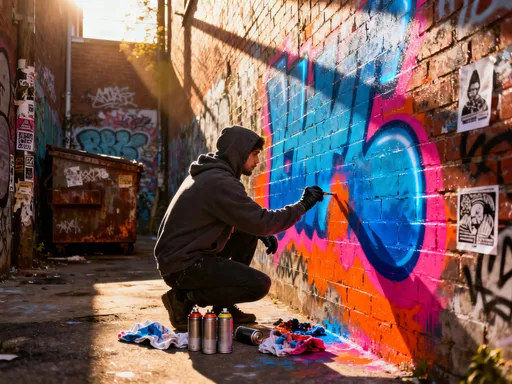
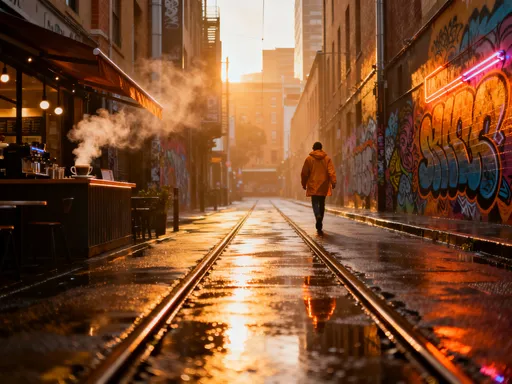
Toronto’s streets pulse with color, storytelling, and unfiltered expression. From the kaleidoscopic walls of Kensington Market to the ever-evolving tapestry of Graffiti Alley behind Queen Street West, public art is not just decoration—it’s dialogue. These murals are more than paint on brick; they are visual narratives that reflect the city’s evolving identity, social concerns, and cultural pride. Artists use blank walls as canvases to explore themes like resilience, heritage, and belonging, transforming overlooked urban corners into open-air galleries that invite contemplation and connection.
In neighborhoods like Leslieville and Parkdale, walking down side streets feels like flipping through a living sketchbook. One mural might honor frontline workers with tender realism, while another uses surreal imagery to critique climate inaction. These works emerge from both commissioned programs and organic community efforts, blurring the line between sanctioned art and grassroots activism. Over the past two decades, street art in Toronto has evolved from being seen as vandalism to being celebrated as a legitimate and powerful form of civic expression. City-led initiatives and nonprofit partnerships now support mural festivals, ensuring that diverse voices—from emerging youth artists to established creators—are represented across the urban landscape.
What makes these artworks so compelling is their accessibility. Unlike gallery pieces behind glass and ropes, street murals welcome interaction. They appear at eye level, often accompanied by benches or green spaces that encourage passersby to pause and reflect. In this way, public art democratizes creativity, allowing everyone—regardless of background or income—to engage with meaningful visual storytelling. For families, couples, or solo explorers, a self-guided mural walk offers not just aesthetic pleasure but also a deeper understanding of Toronto’s neighborhoods and the people who shape them.
Walking through Graffiti Alley, for instance, is an immersive sensory experience. The narrow lane, flanked by brick buildings, becomes a corridor of ever-changing expression. Spray-painted portraits, abstract patterns, and bold typography cover every available surface, often layered over older works in a dynamic cycle of creation and renewal. While some pieces are temporary, others have become landmarks—like the vibrant tribute to Canadian icons or the poignant memorial to lost community members. These walls do not merely display art; they hold memory, spark conversation, and affirm the value of creative risk-taking in public life.
Inside the Hubs: Where Creativity Takes Center Stage
Beyond the streets, Toronto’s cultural institutions serve as vital anchors for artistic exploration and education. The Art Gallery of Ontario (AGO) stands as a cornerstone of the city’s creative ecosystem, housing over 120,000 works that span centuries and continents. Designed in part by renowned architect Frank Gehry, whose own roots trace back to Toronto, the AGO blends historic architecture with daring modern additions, creating a space that mirrors the dialogue between tradition and innovation. Natural light floods its spacious halls, illuminating everything from European masterpieces to cutting-edge contemporary installations.
One of the AGO’s most powerful offerings is its extensive collection of Indigenous art. Curated in collaboration with First Nations, Métis, and Inuit communities, these works honor ancestral knowledge, spiritual practices, and lived experiences. Totem poles, beaded regalia, and contemporary multimedia pieces tell stories that have long been underrepresented in mainstream museums. The gallery also hosts rotating exhibitions that challenge visitors to reconsider historical narratives and engage with pressing social issues through an artistic lens. Educational programs, guided tours, and family workshops ensure that art remains accessible to all ages and backgrounds.
Another key player in Toronto’s cultural scene is the Harbourfront Centre, located along the city’s waterfront. This dynamic space functions as a multidisciplinary arts hub, hosting performances, exhibitions, literary events, and hands-on workshops throughout the year. Its programming emphasizes inclusivity, often spotlighting underrepresented artists and international collaborations. Whether attending a live music concert under the summer sky or exploring a sculpture garden that changes with the seasons, visitors experience art as a shared, communal act rather than a passive observation.
The Museum of Contemporary Art (MOCA), housed in a repurposed factory building in the Junction Triangle, further expands Toronto’s artistic footprint. MOCA focuses on experimental and socially engaged works, frequently featuring artists who push boundaries in form and content. Exhibitions here often respond directly to urban life, migration, technology, and environmental change. By situating itself in a historically industrial neighborhood, MOCA embodies the transformation of Toronto’s cityscape—where old structures are reimagined to support new forms of creative expression. These institutions, while distinct in focus, collectively reinforce the idea that art is not a luxury but a necessity for vibrant, thoughtful communities.
Hidden Stages: The Rise of Underground Performance Culture
Beneath the surface of mainstream theaters and concert halls lies a thriving network of intimate performance spaces where artistic experimentation flourishes. In the Distillery District, once a 19th-century industrial complex, small black-box theaters now host daring new plays, physical theater pieces, and solo performances that challenge conventions. These venues, often seating fewer than 100 people, create an atmosphere of immediacy and intimacy, where the boundary between audience and performer dissolves. There is no fourth wall—only shared breath, emotion, and presence.
Grassroots collectives and independent troupes sustain this underground energy, producing work that might not fit commercial molds but resonates deeply with audiences seeking authenticity. Many of these groups operate without major funding, relying on volunteer labor, crowdfunding, and community partnerships to bring their visions to life. Yet, it is precisely this independence that allows for bold storytelling—plays that explore mental health, identity, displacement, and intergenerational trauma with honesty and vulnerability. These performances are not polished spectacles; they are raw, urgent, and human.
Pop-up performances add another layer to Toronto’s live arts scene. Dance troupes transform abandoned warehouses into impromptu studios, staging site-specific choreography that responds to the textures and acoustics of the space. Music ensembles perform in parking garages, libraries, and even laundromats, turning everyday environments into unexpected stages. These events often rely on word-of-mouth promotion or social media buzz, creating a sense of discovery and exclusivity. For attendees, being part of such a moment feels special—not because it’s glamorous, but because it’s genuine and fleeting.
Immersive theater experiences have also gained traction in recent years, inviting audiences to step inside the story rather than simply watch it unfold. Productions like interactive murder mysteries or sensory-based installations allow participants to make choices, follow different characters, or influence the narrative’s direction. These experiences emphasize agency and emotional engagement, making art something you don’t just see or hear—you live it. In a city where pace and pressure can dominate daily life, these performances offer a rare opportunity to slow down, connect, and be present in a truly meaningful way.
Cultural Mosaic: How Immigrant Voices Shape Toronto’s Aesthetic
Toronto’s artistic identity is inseparable from its status as one of the most multicultural cities in the world. Over half of its residents were born outside of Canada, bringing with them traditions, aesthetics, and creative practices that continually reshape the city’s cultural fabric. This diversity is not performative—it is lived, celebrated, and deeply integrated into the rhythm of everyday life. From the pulsating rhythms of Caribbean Carnival to the delicate lantern displays of Lunar New Year, Toronto’s festivals are vibrant testaments to the power of cultural expression.
In neighborhoods like Chinatown, Little Italy, and Greektown, art is not confined to galleries—it spills into the streets, markets, and community centers. During the annual Chinatown BIA Festival, for example, local artists install temporary public artworks, while dragon dancers and martial arts demonstrations energize the sidewalks. These events are not designed solely for tourists; they are rooted in community pride and intergenerational continuity. Elders teach children traditional crafts, musicians pass down folk songs, and chefs share recipes that carry memories of distant homelands. The result is a rich tapestry of living culture, where heritage is not preserved behind glass but practiced and evolved in real time.
Caribbean Carnival, formerly known as Caribana, stands as one of Toronto’s most iconic cultural events. What began in 1967 as a celebration of Caribbean heritage has grown into a massive summer festival attracting over a million attendees. Beyond the dazzling parade floats and elaborate costumes, Carnival is a profound expression of resilience, joy, and identity. Steelpan music fills the air, while dance workshops and cultural exhibitions offer deeper insight into the histories and struggles of Caribbean communities. For many families, participating in Carnival is a tradition passed down through generations—a way to honor roots while claiming space in a new country.
Similarly, South Asian, African, Latin American, and Middle Eastern communities contribute to Toronto’s artistic vibrancy through film screenings, poetry slams, fashion shows, and religious festivals adapted to the urban context. Diwali, Eid, and Juneteenth are now widely recognized and celebrated across the city, often accompanied by public art installations and community feasts. These events foster mutual understanding and cross-cultural exchange, reminding residents that diversity is not just demographic data—it is a source of beauty, innovation, and collective strength.
Art You Can Touch: Interactive Installations Across the City
In recent years, Toronto has embraced a new kind of public art—one that invites participation rather than passive observation. Interactive installations have become increasingly common, merging technology, design, and creativity to engage the senses and spark curiosity. At The Bentway, a unique public space built beneath the Gardiner Expressway, the LightPath installation transforms a once-neglected corridor into a glowing, responsive pathway. Hundreds of LED lights react to movement, creating ripples of color as people walk, dance, or run through the space. What was once an underpass associated with isolation now pulses with life and connection.
Along the waterfront, sound sculptures and kinetic art pieces invite tactile exploration. One installation features wind-activated chimes that produce haunting melodies as breezes roll in from Lake Ontario. Another uses motion sensors to trigger spoken word poetry when visitors approach, blending voice, environment, and memory into a layered experience. These works do more than entertain—they deepen our relationship with place, encouraging us to notice details we might otherwise overlook. They remind us that cities are not just made of concrete and steel, but of stories, sensations, and shared moments.
Schools, libraries, and community centers have also adopted interactive art as a tool for engagement and learning. Digital murals that change based on viewer input, augmented reality scavenger hunts, and touch-sensitive walls in children’s museums make art accessible to younger audiences and those with varying abilities. These projects emphasize inclusion, ensuring that creativity is not limited to those who can afford museum tickets or attend evening performances. Instead, they embed artistic experiences into the daily lives of residents, making culture a constant companion rather than a rare indulgence.
Perhaps most importantly, interactive art fosters a sense of ownership. When people contribute to a piece—whether by triggering a light sequence, adding a digital drawing, or recording a personal story—they become co-creators. This shift from observer to participant reflects a broader philosophy in Toronto’s art scene: that creativity belongs to everyone. It is not reserved for experts or elites, but cultivated through collective imagination and everyday acts of expression.
Behind the Canvas: Meeting the Makers
To truly understand Toronto’s art scene, one must go beyond the finished product and meet the people behind it. Artist studios, often tucked into converted lofts, basements, or shared workspaces, are where ideas take shape. Events like the annual Toronto Studio Tour open these private realms to the public, offering a rare glimpse into the creative process. Visitors can watch painters mix colors, sculptors shape clay, and printmakers pull proofs from presses, all while engaging in conversation with the artists themselves. These encounters humanize art, revealing the dedication, struggle, and joy that fuel each creation.
For many artists, maintaining a practice in a rapidly gentrifying city is a constant balancing act. Rising rents, limited studio space, and inconsistent income make sustainability a challenge. Yet, numerous initiatives aim to support creators, from subsidized studio programs to grants for underrepresented groups. Organizations like the Toronto Arts Council provide funding for individual artists and collectives, enabling projects that might not attract commercial backing. Community art hubs offer free or low-cost workshops in printmaking, ceramics, textile arts, and digital media, ensuring that creative skills are not gatekept by cost or privilege.
Youth mural programs, often run in partnership with schools and nonprofits, empower the next generation of creators while revitalizing neighborhoods. Teens collaborate with mentors to design and paint large-scale works that reflect their experiences and aspirations. These projects do more than beautify walls—they build confidence, foster teamwork, and strengthen community bonds. In areas where young people may feel overlooked or marginalized, having their voices visible in public space is a powerful affirmation of worth and belonging.
Moreover, many artists in Toronto view their work as service—as a way to contribute to social well-being, environmental awareness, and civic dialogue. Murals addressing climate change, sculptures made from recycled materials, and performances centered on mental health all reflect a commitment to art with purpose. These creators see themselves not as isolated geniuses, but as members of a larger community, using their talents to inspire, heal, and connect. Their studios may be modest, but their impact is profound.
Navigating the Scene: Practical Tips for an Immersive Journey
Exploring Toronto’s art scene doesn’t require a museum membership or insider knowledge—just curiosity and a willingness to wander. For first-time visitors and returning locals alike, planning an art-centered journey can be both rewarding and manageable with a few practical tips. The best time to experience the city’s creative energy is during major cultural events like Nuit Blanche, an annual all-night festival of contemporary art that transforms public spaces into immersive installations. Streets typically closed to traffic open to pedestrians, and galleries, warehouses, and parks become unexpected venues for performance, light art, and interactive exhibits.
Public transit makes accessing these experiences easy and affordable. The TTC subway and streetcar lines connect key cultural districts, including downtown, Queen West, the Entertainment District, and the waterfront. For a self-guided mural tour, starting in Kensington Market and walking east along College or Queen Street allows you to see a wide range of styles and themes while passing cafes, bookshops, and street vendors. Combining art exploration with local dining—such as stopping at a café that features live acoustic sets or supports artist-run markets—enhances the experience and supports the creative economy.
Several free mobile apps and online maps help navigate Toronto’s public art. The City of Toronto’s Public Art Map pinpoints over 400 works across the city, including sculptures, murals, and integrated installations in parks and transit stations. Other platforms, like StreetARToronto’s digital guide, provide walking tour routes and background information on featured artists. These tools make it easy to plan thematic excursions—such as focusing on Indigenous art, feminist murals, or environmental installations—adding depth and intention to your visit.
Ultimately, the most important tip is to slow down. Art in Toronto is not meant to be rushed. It reveals itself in details—the brushstroke on a wall, the echo in a sound sculpture, the silence between performers. Taking time to observe, reflect, and engage allows for a more meaningful connection to the city and its people. Whether you’re standing before a towering mural or sitting quietly in a gallery, presence is the most valuable tool you can bring.
Conclusion
Toronto’s art and culture aren’t confined to pedestals or price tags—they’re democratic, dynamic, and deeply human. By stepping off the beaten path and into its creative heart, travelers don’t just see the city; they feel it. This is more than sightseeing—it’s connection. And in a world hungry for meaning, that kind of journey changes everything.