You Won't Believe These Natural Gems Hiding in Medellín
Medellín isn’t just about vibrant street art or buzzing markets—its true magic lies in the wild, green landscapes just beyond the city buzz. I’m talking misty mountains, rushing waterfalls, and viewpoints that make you stop and whisper, “This is unreal.” As someone who came for the culture but stayed for the nature, I’ve discovered photo spots where the air feels fresher, the colors sharper, and every frame tells a story. Trust me—you need these views in your life.
Why Medellín’s Natural Landscapes Are a Photographer’s Dream
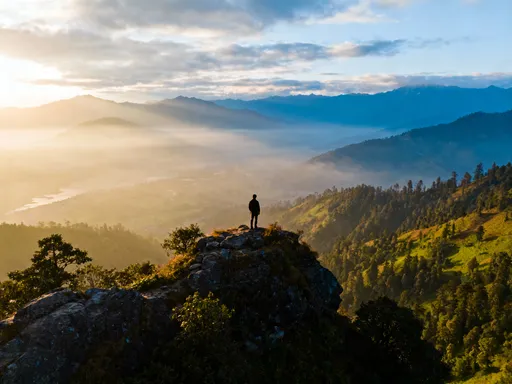
Perched in the Aburrá Valley of Colombia’s Andes Mountains, Medellín enjoys a rare combination of elevation, climate, and biodiversity that makes it a haven for nature photography. At about 1,500 meters (4,900 feet) above sea level, the city is surrounded by steep green hills that rise like natural walls, shielding it from the tropical heat while trapping morning mists that create soft, diffused lighting—ideal for capturing ethereal images. The average temperature hovers around 22°C (72°F) year-round, earning Medellín its nickname, “The City of Eternal Spring,” and providing photographers with consistent conditions for outdoor shoots without extreme weather disruptions.
The city’s transformation over the past three decades has also contributed to its natural appeal. Once known for urban challenges, Medellín has reinvented itself with a strong focus on sustainability, green infrastructure, and public access to nature. Parks, ecological trails, and conservation zones now weave through and around the city, blending urban life with wilderness in a way few metropolitan areas achieve. This balance means photographers can capture everything from mist-covered cloud forests to vibrant street scenes where bougainvillea spills over cobblestone alleys—all within a short journey from downtown.
Thanks to its tropical location and varied altitudes, Medellín supports rich ecosystems. Within just a few kilometers, you can move from subtropical dry forests to high-altitude páramo vegetation. This biodiversity translates into vivid visual contrasts—emerald canopies, cascading ferns, bright orchids, and fluttering hummingbirds—all of which add depth and life to photographs. Whether you’re using a smartphone or a professional DSLR, the interplay of light, texture, and color in this region offers endless creative opportunities. The combination of natural beauty and thoughtful urban planning makes Medellín not just a city to visit, but a living canvas for visual storytelling.
Guatapé and El Peñol: Where Nature Meets Iconic Views
About two hours east of Medellín lies one of Colombia’s most photographed natural landmarks—El Peñol Rock, a towering granite monolith rising over 200 meters (650 feet) from the surrounding landscape. Climbing the 740 concrete steps to the summit is a rite of passage for visitors, and the panoramic reward at the top is nothing short of breathtaking. From the viewing platform, the sprawling Peñol-Guatapé Reservoir unfolds in a mosaic of turquoise waters and forested islands, their shapes shifting with the tides and light. This is a prime spot for wide-angle landscape photography, especially at sunrise when the low sun gilds the water and soft shadows stretch across the hills.
For those seeking reflections and symmetry, the shores of Guatapé offer ideal vantage points. Early morning is the best time to capture the still waters mirroring the rock and sky, creating dreamlike compositions. The colorful buildings of Guatapé’s main square, adorned with ornate zócalos (decorative lower wall panels), also provide charming foreground elements when framed against the natural backdrop. Photographers can experiment with leading lines—from wooden docks to curving shorelines—to draw the eye toward the majestic rock in the distance.
To avoid crowds, consider arriving before 8 a.m. on weekdays or hiring a local boat tour that takes you to less-accessible viewpoints on the reservoir. These private excursions often stop at secluded coves where you can photograph untouched nature without the buzz of tourists. Midweek visits also mean better access to local guides who can share stories about the rock’s spiritual significance to indigenous communities and its controversial flooding during the reservoir’s construction in the 1970s. Respecting this history adds depth to your visual narrative, turning simple snapshots into meaningful documentation of place and culture.
Jardín: A Coffee Town Wrapped in Mist and Majesty
Nestled in the southern part of Antioquia, the colonial town of Jardín offers a slower, more introspective kind of beauty. With its red-tiled roofs, wooden balconies, and horse-drawn carriages, it feels like stepping into a postcard—but the real magic begins when you leave the town center and enter the surrounding cloud forests. Just a short hike from town, the Reserva Natural Otún Quimbaya unfolds in layers of moss-draped trees, rushing streams, and hidden clearings where sunlight filters through the canopy like liquid gold. This protected reserve is home to over 250 bird species, including dazzling hummingbirds, toucans, and the endangered yellow-eared parrot, making it a paradise for wildlife photographers.
The trails here are well-marked but rarely crowded, allowing for quiet, immersive experiences. Early risers are rewarded with thick morning fog that clings to the treetops, creating a mystical atmosphere perfect for moody, atmospheric shots. As the sun climbs, the mist lifts, revealing vibrant greenery and the occasional glimpse of a howler monkey moving through the branches. Photographers should bring a macro lens to capture dew-covered spiderwebs, orchids, and iridescent beetles, while a telephoto lens helps isolate birds in flight or perched on flowering branches.
Back in town, the blend of architecture and nature offers unique urban-nature compositions. Wooden houses with overflowing flower boxes sit nestled against green hills, their reflections sometimes visible in rain puddles after a passing shower. The central plaza, dominated by the striking yellow Basilica Nuestra Señora del Carmen, comes alive in the late afternoon when locals gather and children play under the shade of towering palms. Capturing these moments—authentic, unhurried, and deeply rooted in place—adds emotional warmth to any photo collection. Jardín reminds us that beauty isn’t just found in grand vistas, but in the quiet harmony between people and their environment.
Parque Arví: Wild Highlands Within City Reach
One of Medellín’s most impressive ecological achievements is Parque Arví, a 16,000-hectare nature reserve located just above the city. What makes it extraordinary is its accessibility—reached via the Metrocable, Medellín’s innovative cable car system that connects underserved hillside neighborhoods to the city center. Boarding at Acevedo Station, the ride itself offers stunning aerial views of rooftops giving way to dense forest, a visual metaphor for the city’s embrace of nature. The final stop, Arví Station, opens directly into the park, where trails wind through native oak and laurel forests, and the air carries the scent of damp earth and wild herbs.
Hiking trails range from gentle nature walks to more challenging climbs, all well-marked and maintained. The Páramo del Mirador trail, though short, delivers one of the most rewarding views—fog rolling over the hills like waves, with the Medellín valley stretching below. This is an ideal spot for long-exposure photography at dawn, when the light slowly illuminates the mist, creating a sense of movement and depth. The park is also home to frailejón plants, unique to the Andes, whose thick, woolly leaves and tall flower stalks add striking texture to close-up compositions.
Parque Arví isn’t just a scenic escape—it’s a model of sustainable tourism and community involvement. Local guides from nearby villages lead eco-tours, sharing knowledge about native plants, traditional farming, and conservation efforts. Visitors can also explore small artisan markets featuring handmade crafts and organic coffee. These human elements enrich the photographic experience, allowing for portraits that are respectful and dignified, capturing the pride and warmth of the local people. By supporting these initiatives, photographers contribute to the preservation of both culture and nature, turning their visit into something more meaningful than just a photo op.
Cerro Cristo Rey: A Hidden Lookout with Soul-Stirring Vistas
While Cerro Nutibara often draws the tourist crowds, Cerro Cristo Rey remains a quieter, more contemplative alternative. Located in the southern part of the city, this hilltop sanctuary is anchored by a towering statue of Christ, reminiscent of Rio’s Christ the Redeemer, but with a more intimate, spiritual atmosphere. The trail to the top is relatively easy, winding through shaded paths and small chapels that mark the Stations of the Cross. Along the way, panoramic views of Medellín unfold gradually, with the city nestled between parallel mountain ranges and the Medellín River tracing a silver line through the valley.
What sets this location apart is its sense of peace. Unlike busier viewpoints, Cerro Cristo Rey attracts mostly locals—families, couples, and individuals seeking quiet reflection. This makes it ideal for candid photography that captures genuine moments: an elderly woman pausing to pray, children flying kites in the breeze, or a couple silhouetted against the setting sun. The statue itself, illuminated at night, offers dramatic long-exposure possibilities, especially when paired with the city lights twinkling below.
Photographers should visit in the late afternoon to capture both daylight and twilight shots. The golden hour here is particularly soft, with warm light washing over the hills and highlighting the green ridges that cradle the city. Because the site is less commercialized, there are no souvenir stalls or loudspeakers—just the sound of wind and distant church bells. This authenticity makes Cerro Cristo Rey not just a viewpoint, but a place of emotional resonance, where images carry a deeper sense of place and presence.
Sabaneta and the Río Medellín Trail: Urban Nature Done Right
Just south of Medellín, the municipality of Sabaneta is part of a groundbreaking urban renewal project centered on the Río Medellín. Once polluted and neglected, the river has undergone a dramatic transformation, with kilometers of its banks restored into green corridors, walking paths, and native plant zones. The Río Medellín Trail now offers a unique blend of city life and ecological revival, making it a compelling subject for documentary-style photography. Here, you can capture joggers on tree-lined paths, children playing in newly built parks, and murals that celebrate environmental stewardship—all against a backdrop of flowing water and reforested slopes.
The trail is especially photogenic in the early morning or late afternoon, when the light filters through the trees and reflects off the water. Native species like bamboo, guadua (a type of giant bamboo used in sustainable construction), and wild ginger have been reintroduced, adding lush textures and vertical lines to compositions. Birdwatchers may spot kingfishers, herons, and migratory species that have returned as the ecosystem heals. These signs of recovery tell a powerful story of resilience and hope, perfect for photo essays on urban renewal and community action.
What makes this location special is the way it integrates nature into everyday life. Unlike remote parks, the Río Medellín Trail is woven into the fabric of the neighborhood, where people from all walks of life come to walk, cycle, or simply sit and enjoy the breeze. Photographing these moments—parents pushing strollers, friends sharing coffee on benches, or street vendors selling fresh fruit—adds a human dimension to the environmental narrative. It’s a reminder that sustainability isn’t just about conservation, but about creating spaces where people and nature thrive together.
Putting It All Together: Planning Your Scenic Photo Journey
To make the most of Medellín’s natural photo opportunities, timing is key. The dry seasons—December to March and June to August—are ideal for clear skies and reliable lighting, though the shoulder months often offer the best balance of good weather and fewer tourists. For photography, the golden hours—shortly after sunrise and before sunset—provide the most flattering light, reducing harsh shadows and enhancing color saturation. Early mornings also mean cooler temperatures and thinner fog, which can be a bonus or a challenge depending on the mood you’re aiming for.
Transportation in the region is both efficient and scenic. Medellín’s Metro and Metrocable systems are clean, safe, and affordable, offering unique aerial perspectives as you travel from the city into the hills. For destinations like Guatapé or Jardín, local buses depart regularly from the North Terminal and take about two hours. Guided eco-tours are another excellent option, especially for those unfamiliar with the terrain—they often include transportation, a knowledgeable guide, and access to lesser-known trails. These tours not only enhance safety but also deepen understanding of the ecosystems you’re photographing.
Equally important is practicing ethical photography. Always ask permission before photographing people, especially in rural or indigenous communities. Respect trail markers and conservation rules—stay on designated paths to avoid damaging fragile vegetation. Avoid using drones in protected areas unless you have explicit authorization, as they can disturb wildlife and violate local regulations. Carry out all trash, and consider using a reusable water bottle to minimize plastic waste. By traveling and photographing responsibly, you help preserve these natural gems for future generations.
When editing your photos, resist the urge to over-process. The beauty of Medellín’s landscapes lies in their authenticity—soft mists, natural light, and vibrant but realistic colors. Let the images speak for themselves, with minimal cropping or filtering. Organize your collection chronologically or thematically, perhaps grouping shots by location or mood, to create a visual journey that mirrors your own experience.
Medellín’s natural landscapes offer more than just beautiful backdrops—they invite you to slow down, look closer, and capture moments where nature and humanity coexist in harmony. These photo spots aren’t just places to visit; they’re invitations to see the city with new eyes.