What Happens When You Hit the Road to Hua Hin? Pure Leisure Magic
Driving down Thailand’s scenic coastal routes, I discovered Hua Hin is more than just a beach town—it’s a leisure lover’s dream. With the freedom of self-driving, I uncovered hidden cafés, tranquil parks, and seaside escapes most tourists miss. This isn’t just a getaway; it’s a journey where every turn offers relaxation. If you're craving laid-back vibes and real moments, Hua Hin delivers—big time. The soft rhythm of the waves, the golden light of early mornings, and the ease of moving at your own pace transform a simple trip into a deeply personal retreat. For women in their thirties to fifties seeking peace, beauty, and meaningful experiences, Hua Hin offers a rare blend of charm and comfort, accessible in the most liberating way—behind the wheel of your own car.
Why Self-Driving Transforms Your Hua Hin Experience
Choosing to drive yourself to Hua Hin changes everything. Unlike fixed tour itineraries or the limitations of public transport, having your own vehicle means you’re in full command of your time and path. The journey from Bangkok, which takes about two and a half to three hours along Highway 35 and Highway 4, becomes part of the experience. Lush greenery unfolds on either side, and the coastal breeze slips through open windows. You can pause at roadside fruit stalls, stop for a stretch at rest areas, or detour to a local temple that catches your eye. This flexibility is especially valuable for those traveling with family or friends who appreciate a relaxed pace.
Road conditions in Thailand have improved significantly over the past decade, and the route to Hua Hin is well-maintained, clearly marked, and generally safe. The highways are wide, with multiple lanes in most stretches, and traffic flows smoothly outside of holiday periods. Even drivers unfamiliar with Thailand’s roads can navigate confidently with a GPS app such as Google Maps, which is highly reliable in this region. Speed limits are posted, and police checkpoints are common but routine—usually focused on safety rather than strict enforcement. For many women who may initially feel hesitant about driving abroad, this route is an ideal introduction: not too long, not too chaotic, and full of rewarding stops.
Self-driving also opens access to places that are difficult to reach by taxi or tuk-tuk without incurring high costs. Imagine deciding last minute to visit a weekend market that only runs on Saturdays, or wanting to catch the sunset at a quiet cove twenty minutes outside town. With your own car, these choices are effortless. You can leave after breakfast and return after dinner, carrying shopping bags, picnic supplies, or beach gear without stress. The ability to move freely empowers travelers to create their own rhythm, turning a standard vacation into a deeply personal journey.
Hua Hin Beach & The Classic Seaside Vibe
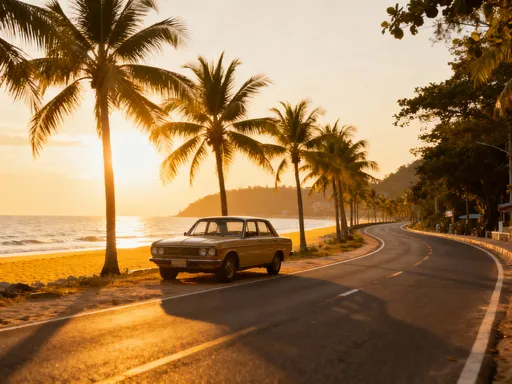
Hua Hin Beach remains the heart of the town’s charm, stretching over seven kilometers along the Gulf of Thailand. Its soft, golden sand and gentle waves make it ideal for walking, lounging, and family play. Unlike the more crowded shores of Pattaya or Phuket, Hua Hin maintains a relaxed, unhurried atmosphere. Palm trees line the promenade, and local vendors offer fresh coconuts, grilled seafood, and cold towels. The beach is clean, well-maintained, and safe for children, making it a favorite among families and older visitors who appreciate its accessibility.
One of the greatest benefits of self-driving is the ability to arrive early. By leaving your accommodation by 7 a.m., you can enjoy the beach nearly to yourself. The morning light casts a soft glow over the water, and the only sounds are the lapping waves and distant calls of fishermen. It’s the perfect time for a quiet walk with a takeaway coffee from a nearby café, or simply sitting on a bench and watching the day begin. Later in the afternoon, the beach fills with activity—children building sandcastles, couples flying kites, and groups cycling along the paved path. But those early hours belong to the early risers, and driving allows you to claim them without relying on unpredictable public schedules.
Beachfront dining is another highlight, with numerous open-air restaurants offering fresh seafood, Thai curries, and Western comfort food. Many of these spots are tucked behind the main road and are best reached by car. Some, like beachfront shacks near Khao Takiap, are only accessible by driving through narrow lanes or unpaved paths. Being able to park nearby means you can linger over dinner as the sun dips below the horizon, then drive back at your leisure. No need to rush for the last tuk-tuk or worry about carrying flip-flops and bags through the dark. The beach is not just a destination—it’s a daily ritual, made richer by the freedom of movement.
Hidden Cafés and Chill-Out Corners Only Drivers Can Reach
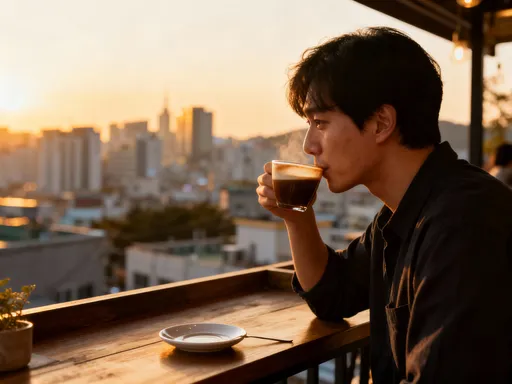
Beyond the main tourist zones, Hua Hin hides a collection of intimate cafés that offer a slower, more reflective kind of leisure. These spots are often nestled in quiet residential lanes, near lagoons, or tucked behind tree-lined streets—places you won’t stumble upon by accident. They cater to locals and in-the-know visitors who value ambiance over convenience. With names like 'The Little Tree' or 'Sunset Lane Coffee,' these cafés feature rustic décor, handmade pastries, and music that drifts softly from hidden speakers. Time seems to slow down here, and conversation flows easily.
One such gem is a café located near the Hua Hin Reservoir, about ten minutes’ drive from the beach. Surrounded by green hills and still water, it offers outdoor seating under shaded pergolas. Guests sip lavender lattes while watching dragonflies skim the surface. Another favorite is a book-themed café in a quiet neighborhood, where wooden shelves are filled with novels in both Thai and English, and guests are encouraged to read, write, or simply daydream. These places are not designed for mass tourism; they thrive on tranquility and authenticity.
Reaching them by taxi is possible, but often expensive or logistically tricky. Rideshare apps are limited in Hua Hin, and many drivers are reluctant to go to lesser-known areas without a clear destination. Public transport doesn’t serve these spots at all. But with your own car, you can plan a leisurely café crawl—starting with breakfast at one, reading a book at another, and ending with afternoon tea at a third. You can bring your tote bag, camera, or journal without worrying about space. The ability to move freely turns a simple coffee run into a curated experience, one that nurtures the soul as much as the body.
Nature Escapes: Parks, Reservoirs, and Green Oases
For those seeking peace beyond the beach, Hua Hin offers several natural retreats that provide a refreshing contrast to urban life. Khao Takiap Hill, crowned by a golden Buddha statue, is one of the most visited. The climb involves about 159 steps, but the view from the top—of the sea, the town, and surrounding hills—is worth every step. Monkeys often greet visitors, adding a playful touch, though it’s best not to feed them. The site is peaceful, spiritual, and ideal for quiet reflection. Driving here means you can arrive early to avoid crowds and heat, then leave when you’re ready.
Further inland, the Pala-U River Valley offers a completely different landscape. This lush, forested area features waterfalls, wooden footbridges, and shaded picnic areas. It’s especially beautiful in the rainy season, when the streams run full and the air feels cool and fresh. Families often come here to spread out mats, enjoy packed meals, and let children explore safely. The valley is about 45 minutes from central Hua Hin, making it impractical for day trips without a car. But with your own vehicle, the journey becomes part of the adventure—passing through rubber plantations, rice fields, and small villages where life moves at a different pace.
Local reservoirs like Khao Yai Dam and Hin Lad Waterfall are also perfect for half-day outings. These spots are maintained by the community and often have basic facilities—restrooms, shaded tables, and small food stalls. They’re popular with Thai families on weekends but remain under the radar for most international tourists. The calm water reflects the sky and trees, creating a mirror-like surface that feels almost magical. Birdwatchers may spot kingfishers or herons, and photographers will find endless inspiration. Driving allows you to bring picnic baskets, blankets, and even portable chairs, making these visits not just possible but deeply enjoyable.
Weekend Markets and Nightlife with No Transport Stress
No visit to Hua Hin is complete without experiencing its vibrant night markets. The most famous is the Hua Hin Night Market, located near the train station and open every evening. Stretching over several blocks, it offers everything from grilled squid and mango sticky rice to handmade soaps, silk scarves, and vintage-style clothing. The air is filled with the scent of spices and frying dough, and the colorful lights create a festive mood. Street performers sometimes play traditional instruments, adding to the charm.
What many travelers don’t realize is that there are also smaller, local bazaars that operate on specific days—like the Friday Market near the clock tower or the Sunday Walking Street. These are less crowded and offer a more authentic shopping experience. You’ll find home-cooked dishes, organic produce, and crafts made by local artisans. But because they’re scattered and only open for part of the week, they’re easy to miss without a car. Driving lets you plan your visit around these rotating events, turning market hopping into a weekly ritual.
Shopping late at night is another advantage of self-driving. When you’re carrying bags of souvenirs, fresh fruit, or bottled water, the idea of squeezing onto a tuk-tuk or waiting for a taxi becomes unappealing. With your own vehicle, you can shop until closing time, load up at your leisure, and drive back comfortably. Parking is generally available near major markets, either in designated lots or along marked streets. Most areas are well-lit and safe, especially in the central zones. For women traveling alone or in small groups, this sense of security and control is invaluable.
Family-Friendly Leisure: Zoos, Water Parks, and Open Spaces
Hua Hin is exceptionally welcoming to families, offering a range of attractions that cater to children and adults alike. Maruekhathaiyawan Palace, also known as the White Palace, is a standout. Built in the 1920s as a summer retreat for Thai royalty, it sits on a rocky outcrop overlooking the sea. The surrounding gardens are expansive, with winding paths, wooden pavilions, and shaded benches. It’s a peaceful place for a family stroll, with plenty of space for children to run and explore. The historical significance adds depth, making it both fun and educational.
For more active fun, Black Mountain Water Park is a top choice. One of the largest in Southeast Asia, it features water slides, wave pools, lazy rivers, and dedicated areas for younger kids. The park is clean, well-organized, and staffed with lifeguards. Families appreciate the availability of lockers, food outlets, and shaded rest zones. Getting here by public transport is difficult, and taxis can be expensive for round trips. But with a car, you can pack towels, swimwear, snacks, and sunscreen in the trunk and arrive stress-free. After a full day of play, driving home allows for naps in the back seat and a relaxed return.
Other family-friendly spots include mini farms like Hua Hin Sheep Farm, where children can feed goats and rabbits, and Plearn Wan, a retro-style lifestyle park built from old wooden houses. These places celebrate Thai culture and rural life in a gentle, engaging way. They’re spread out and often located on the outskirts of town, making them ideal for day trips by car. The ability to carry strollers, baby carriers, and extra supplies makes self-driving not just convenient but essential for comfortable family outings.
Smart Tips for Stress-Free Self-Driving in Hua Hin
While driving in Thailand may seem daunting at first, especially for those used to different road rules, a few practical tips can make the experience smooth and safe. First, always use a reliable GPS app. Google Maps works exceptionally well in Hua Hin and provides real-time traffic updates, turn-by-turn directions, and estimated arrival times. Download offline maps as a backup in case of spotty signal. Most rental cars come with English-language navigation systems, but having your phone as a second option adds peace of mind.
Fuel stations are plentiful along the main highways and in town. Major brands like PTT, Shell, and Caltex offer clean facilities and convenience stores. It’s wise to fill up before heading to more remote areas, as some rural routes have fewer options. Parking in Hua Hin is generally easy, especially outside peak seasons. Most hotels offer free parking, and public lots near markets and beaches charge small fees—usually between 20 and 50 baht per visit. Always look for marked areas and avoid blocking driveways or private property.
Driving etiquette in Thailand is generally relaxed but respectful. Most locals drive cautiously in Hua Hin, especially in residential zones. Speed limits are enforced in some areas, and speed cameras are present on major roads. Seat belts are required for all passengers, and using a mobile phone while driving is illegal. If you rent a car, choose a reputable company with English-speaking staff and full insurance coverage. Compact SUVs or sedans are ideal for the terrain and parking spaces. With preparation and awareness, even first-time drivers in Thailand can enjoy the freedom and joy of the open road.
Self-driving to Hua Hin isn’t just about convenience—it’s about reclaiming the soul of travel: freedom, discovery, and personal rhythm. The real magic lies not just in the destinations, but in the unhurried journey between them. When you control the wheel, you control the experience. So start the engine—your leisure-filled Thai escape awaits.