You Gotta Taste This: Wrocław’s Market Halls & Hidden Food Gems
Wrocław, Poland, is a city where old-world charm meets vibrant street life—and trust me, the food scene will blow your mind. I went looking for souvenirs, but ended up discovering bustling market halls, family-run stalls, and flavors I never expected. Shopping here isn’t just about buying things—it’s about tasting history, culture, and passion in every bite. This is more than a shopping trip; it’s a delicious journey through local life. From the scent of freshly baked bread to the vibrant colors of seasonal produce, every corner of Wrocław’s food culture tells a story. For travelers seeking authenticity, few experiences are as revealing as exploring a city through its markets.
First Impressions: Wrocław’s Charming Streetscape and Market Culture
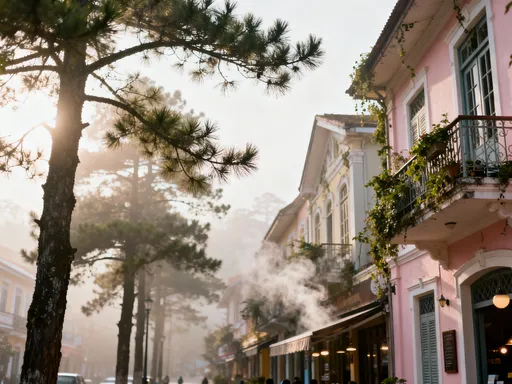
Wrocław greets visitors with a sense of timeless elegance. Its compact, walkable center is a mosaic of pastel-colored townhouses, cobblestone alleys, and grand plazas, most notably the Rynek—the largest market square in Poland. This expansive square, surrounded by ornate merchant houses and crowned by the Gothic Town Hall, has been the city’s commercial and social heart for centuries. Even today, it pulses with energy, drawing locals and tourists alike to its cafes, street performers, and surrounding market lanes.
The city’s market culture is deeply rooted in its history as a crossroads of Central Europe. Situated on the Oder River and once part of various empires and trade routes, Wrocław has long been a place of exchange—not just of goods, but of flavors, traditions, and ideas. This heritage lives on in the rhythm of daily commerce. Unlike sterile supermarkets or tourist-only bazaars, Wrocław’s food markets feel alive, personal, and deeply connected to the rhythms of local life.
What sets Wrocław apart is how seamlessly the past blends with the present. Antique fountains stand beside modern kiosks; elderly women bargain for cabbage while young couples sip artisan coffee from nearby pop-up stalls. The city does not preserve its traditions behind glass—it wears them proudly in daily practice. For the mindful traveler, especially one interested in food and family-centered experiences, this authenticity is both refreshing and inspiring.
Walking through the old town, one quickly realizes that shopping here is not a transactional act. It’s a sensory immersion. The aroma of roasting chestnuts in winter, the sound of vendors calling out daily specials, the sight of hand-painted signs advertising homemade jams—all contribute to an experience that feels both timeless and immediate. This is the perfect setting for a culinary exploration that goes beyond the plate.
Hala Targowa: The Heartbeat of Local Food Shopping
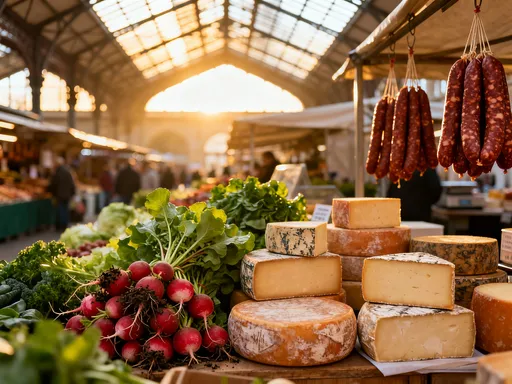
No visit to Wrocław is complete without stepping into Hala Targowa, the city’s most iconic covered market hall. Located just steps from the Rynek, this red-brick building has served as a marketplace since the late 19th century. Inside, the atmosphere is warm, bustling, and unapologetically real. The air hums with conversation, the clink of scales, and the rich scents of cheese, meat, and fresh herbs. This is where Wrocław residents do their weekly shopping—and where curious visitors can witness food culture in its most authentic form.
The hall is organized into distinct sections, each dedicated to a specific type of product. One aisle overflows with seasonal fruits and vegetables—crisp apples in autumn, ruby-red strawberries in early summer, and mountains of cabbage and beets year-round. Nearby, dairy vendors display wheels of yellow cheese, creamy quark, and thick, tangy sour cream. Butchers proudly hang smoked kielbasa and pork cuts, while fishmongers offer freshwater trout and pickled herring from nearby lakes and rivers.
What makes Hala Targowa special is not just the quality of its goods, but the human connection it fosters. Vendors remember regular customers by name and often offer a taste before a sale. A simple smile and a polite “Dzień dobry” (good day) can lead to a ten-minute conversation about the best way to prepare sauerkraut or the origin of a particular cheese. These interactions transform shopping from a chore into a shared moment of cultural exchange.
For visitors, navigating Hala Targowa is both easy and rewarding. Signs are often bilingual, and many vendors speak basic English. Even without fluency, pointing and smiling go a long way. The market operates daily, though the busiest and most vibrant days are Thursday through Saturday, when the full range of seasonal items is on display. Early morning visits offer the freshest picks and the chance to see the market come alive.
From Market Stalls to Street Eats: The Flavors You Can’t Miss
Wrocław’s markets are a treasure trove of traditional Polish foods, many of which are rarely found in standard restaurants. Among the most distinctive is oscypek, a smoked sheep’s milk cheese traditionally made in the Tatra Mountains. Firm, slightly salty, and often shaped into decorative spirals, oscypek is typically grilled and served with cranberry sauce. At Hala Targowa, it’s available year-round, and some vendors even demonstrate how it’s made.
Another staple is kielbasa, Poland’s beloved sausage. Unlike mass-produced versions, the kielbasa sold in Wrocław’s markets is often handmade, using family recipes passed down for generations. Varieties include fresh, smoked, and garlic-infused types, each with its own texture and flavor profile. A simple bite reveals the care and craftsmanship behind it—coarsely ground meat, natural casings, and just the right balance of spices.
Pickled vegetables are another highlight. Barrels of sauerkraut, cucumbers, beets, and mixed roots ferment slowly, developing deep, tangy flavors. These are not mere side dishes—they are essential components of Polish meals, aiding digestion and adding brightness to hearty dishes. Many older women sell homemade versions from small carts near the market entrance, often sharing stories about how their mothers taught them the process.
And then there are pierogi—the beloved dumplings that are a symbol of comfort across Poland. While restaurants serve them boiled or fried, the market offers a different experience: fresh, uncooked pierogi that you can take home. Fillings range from classic potato and cheese to wild mushrooms, blueberries, or even minced meat. Watching a vendor fold each dumpling by hand, sealing the edges with a practiced twist, is a small act of culinary artistry.
Street food around the market adds another layer of flavor. Near the entrance of Hala Targowa, small stands serve zapiekanka—a long baguette split open, topped with mushrooms, cheese, and ketchup, then baked until golden. It’s humble, satisfying, and deeply popular with students and workers on a break. Another favorite is obwarzanek, a circular bread similar to a bagel, often sprinkled with poppy or sesame seeds, sold from mobile carts throughout the day.
Specialty Shops & Artisan Finds: Beyond the Main Markets
While Hala Targowa offers a comprehensive look at everyday Polish food, Wrocław’s smaller specialty shops provide a more curated, artisanal experience. Scattered throughout the city center, these boutiques celebrate craftsmanship, tradition, and regional pride. They are perfect for travelers who want to bring home something unique—not just edible, but meaningful.
One such gem is a family-run chocolate shop near the Old Town Bridge. Here, cocoa beans are roasted in small batches and transformed into handcrafted bars with flavors like sea salt, honey, or wild forest berries. The owner, a third-generation confectioner, often stands behind the counter, explaining the sourcing of ingredients and the slow process of tempering chocolate. Buying a bar here feels less like a purchase and more like receiving a piece of heritage.
Another must-visit is a local coffee roastery tucked into a quiet courtyard. Unlike international chains, this shop sources beans from ethical farms and roasts them on-site. The baristas take time to explain brewing methods, from French press to pour-over, and offer samples with notes of caramel, citrus, or dark chocolate. For coffee-loving families, this is both a sensory delight and an educational stop—especially when paired with a freshly baked rye muffin.
Polish honey, too, has a special place in the city’s food culture. Beekeepers from nearby rural areas bring their harvest to specialty stores, offering varieties like acacia, buckwheat, and wildflower. Each has a distinct color and flavor, influenced by the local flora. Some jars even contain chunks of honeycomb, a treat for children and adults alike. These shops often display photos of the apiaries and the beekeepers, adding a personal touch that enhances trust and connection.
Traditional preserves are another highlight. Small-batch jams made from plums, raspberries, or rose hips are cooked slowly with minimal sugar, preserving the fruit’s natural taste. Sold in glass jars with hand-labeled stickers, they make excellent gifts. Many of these products come from women who prepare them at home, continuing seasonal traditions that have fed Polish families for generations.
Seasonal Rhythms: How Time of Year Shapes What You’ll Taste and Buy
One of the most beautiful aspects of Wrocław’s food culture is its deep connection to the seasons. Unlike globalized supermarkets that offer the same produce year-round, Wrocław’s markets shift with the calendar, reflecting nature’s rhythm and the agricultural cycles of the region. This makes every visit unique, depending on when you come.
Winter brings the Christmas markets, which transform the Rynek into a festive wonderland. Wooden stalls glow with lights, selling mulled wine (known locally as grzane wino), gingerbread cookies, and roasted nuts. The scent of cinnamon and cloves fills the air. This is the time to try sernik, a dense, creamy cheesecake often flavored with lemon or raisins, and piernik, the spiced honey cake that has been a Polish holiday tradition for centuries. These treats are not just sweets—they are edible heirlooms, often made from recipes guarded within families.
Spring ushers in the return of fresh greens and early vegetables. Farmers bring the first wild garlic, chives, and dandelion leaves to market. Strawberries appear by late May, small but intensely flavored. This is also the season for fresh cheeses and early honey, as bees begin their work. The mood in the market lifts—vendors smile more, customers linger longer, and the pace of life slows just enough to savor the renewal.
Summer is a feast of color and abundance. Stalls overflow with cherries, plums, currants, and cucumbers. Berries are sold in wooden baskets, still warm from the sun. This is the peak time for fresh pierogi with seasonal fillings—blueberry or wild strawberry—and for cold borscht, a pink beet soup served with a dollop of sour cream and fresh dill. Outdoor seating at market cafes becomes prime real estate, and families gather for long, leisurely meals.
Autumn is mushroom season—a time of quiet excitement among locals. While foraging is a common tradition in Poland, not everyone ventures into the woods. Instead, many rely on trusted vendors who sell wild mushrooms like boletus, chanterelles, and porcini. These are displayed in wicker baskets, still earthy and fragrant. They’re used in soups, sauces, and dumplings, adding a deep, umami richness to fall dishes. Apples, pears, and pumpkins also dominate the stalls, along with jars of homemade compote and apple butter.
Navigating the City: Practical Tips for Food-Focused Shopping
For first-time visitors, exploring Wrocław’s food markets can feel overwhelming—but with a few simple tips, the experience becomes smooth and enjoyable. First, plan your visit for the morning, ideally between 8 a.m. and 11 a.m. This is when the freshest items arrive, and the market is less crowded. Thursday through Saturday are the best days, as more vendors are present and seasonal specialties are fully stocked.
Cash is still preferred at many stalls, especially smaller ones. While larger shops and some market vendors accept cards, it’s wise to carry small bills and coins. Having a few złoty in hand makes transactions faster and shows respect for local customs. ATMs are available nearby, but lines can be long during peak hours.
Learning a few basic Polish phrases goes a long way. “Ile kosztuje?” (How much does it cost?), “Poproszę jeden” (One, please), and “Smakuje bardzo” (It tastes very good) are simple but meaningful. Most vendors appreciate the effort, even if they respond in English. A smile and patience are equally important—especially when language barriers arise.
To identify high-quality products, look for signs of freshness: bright colors, firm texture, and natural aromas. Avoid anything that looks wilted, overly soft, or has an off smell. When in doubt, ask for a sample—many vendors encourage it. Also, notice how the stall is organized. Clean displays, clear labeling, and attentive vendors are good indicators of care and pride in the product.
Wrocław is highly walkable, and most food destinations are within a 20-minute walk of each other. A recommended route starts at the Rynek, moves into Hala Targowa, then loops through the specialty shops along Świdnicka Street and into the quiet courtyards behind the Old Town. Comfortable shoes are a must, as cobblestones can be uneven. Public restrooms are available near the Town Hall and inside the market hall.
Why Food-Centric Shopping Tells the Real Story of Wrocław
In a world of mass-produced souvenirs and generic tourist experiences, buying food offers something deeper. It connects you to the land, the seasons, and the people who grow, make, and sell what they love. In Wrocław, every purchase—from a jar of honey to a wedge of oscypek—is a small act of cultural participation. It’s not just about what you take home, but what you understand by being there.
Food-centric shopping reveals the rhythm of daily life in a way that museums and guided tours often cannot. It shows how families eat, what they value, and how traditions are kept alive. For women, especially those who manage households and care for loved ones, this kind of travel resonates on a personal level. Choosing ingredients, learning preparation tips from a vendor, or simply sharing a smile over a shared love of good bread—these moments build bridges across cultures.
Unlike a keychain or magnet, edible souvenirs are fleeting—but that’s part of their beauty. They are meant to be shared, enjoyed, and remembered. A slice of Polish cheesecake at home, made from a recipe picked up at the market, becomes more than dessert. It becomes a story, a memory, a way to bring a piece of Wrocław into your own kitchen.
Ultimately, Wrocław invites you to slow down, to engage your senses, and to see travel not as a checklist, but as a series of meaningful encounters. The city’s markets are not just places to shop—they are living spaces where history, community, and flavor come together. So come with an open heart, a curious palate, and a reusable tote bag. Let the scents guide you, the colors delight you, and the tastes transform your understanding of what it means to truly connect with a place.
Wrocław’s food culture is not loud or flashy. It does not demand attention. But if you take the time to listen—to the vendor’s story, the sizzle of a sausage on the grill, the crunch of a fresh apple—you will hear the quiet, steady heartbeat of a city that feeds its people with pride and love. And that, more than any landmark, is worth savoring.