Art That Builds Dreams: Curitiba’s Soul Lives in Its Streets
You know that feeling when a city just gets you? That’s Curitiba. I didn’t expect much—honestly, I’d never even heard of it before my trip—but wow, the landmark buildings here are like open-air art galleries. Every corner tells a story, every structure breathes creativity. From sleek modern designs to bold urban sculptures, this Brazilian gem turns architecture into emotion. If you think art is just in museums, let Curitiba change your mind. It’s a city where urban planning and artistic vision walk hand in hand, where green spaces frame steel masterpieces, and where public art isn’t an afterthought—it’s the heartbeat. More than just a destination, Curitiba invites visitors to experience how design can uplift the human spirit, one thoughtful detail at a time.
First Impressions: A City That Thinks Differently
Arriving in Curitiba feels like stepping into a carefully composed painting where nature and innovation coexist in harmony. Unlike the sprawling chaos often associated with large South American cities, Curitiba greets visitors with a refreshing sense of order, cleanliness, and greenery. Tree-lined avenues, efficient public transit, and thoughtfully planned districts create an immediate impression of a city that values both functionality and beauty. This is not accidental. Since the 1970s, Curitiba has been celebrated for its pioneering urban planning, particularly its Bus Rapid Transit (BRT) system, which became a model for sustainable city design worldwide. But beyond efficiency, what strikes the visitor is how this infrastructure supports a culture of creativity.
The city’s layout reflects a deep respect for human scale and environmental balance. Wide pedestrian zones, abundant parks, and low-rise architecture prevent the overwhelming density found in other metropolises. Even the skyline remains modest, allowing architectural details to shine without being lost in a forest of skyscrapers. This deliberate choice—to prioritize livability over vertical expansion—creates space for art to flourish in public view. Street corners become galleries, parks turn into performance venues, and bridges evolve into sculptural statements. The message is clear: a well-designed city doesn’t just transport people—it inspires them.
What sets Curitiba apart is how seamlessly art integrates into daily life. There’s no need to seek out museums or galleries to encounter beauty; it’s present in the curve of a staircase, the pattern of a sidewalk, or the silhouette of a building against the sky. This integration reflects a civic philosophy where culture and urbanism are not separate domains but interconnected forces shaping community identity. For travelers, especially those who appreciate thoughtful design and quiet moments of aesthetic pleasure, Curitiba offers a rare kind of urban serenity—one where creativity feels accessible, inclusive, and alive.
The Iconic Wire Opera House: Where Fantasy Meets Steel
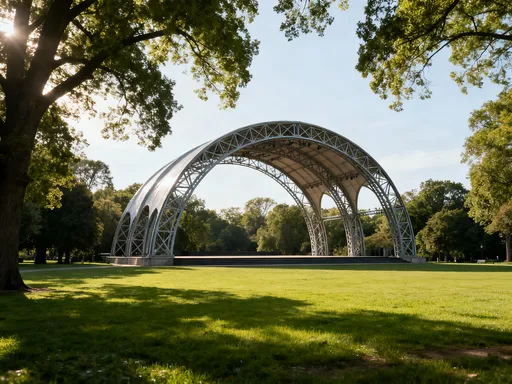
Standing in the heart of the Bacacheri neighborhood, the Ópera de Arame—known in English as the Wire Opera House—is one of Curitiba’s most iconic landmarks and a testament to architectural imagination. At first glance, it looks almost weightless, a delicate web of steel cables and metal beams suspended over a lush green amphitheater. Designed by architects Franz Heep and Rubens Nikitenko and completed in 1992, the structure was built on the ruins of a former amusement park, transforming a forgotten space into a vibrant cultural venue. Its name, which translates to “Wire Opera,” refers to its skeletal framework, inspired by suspension bridge engineering, allowing natural light and air to flow freely through the open-air auditorium.
With a seating capacity of around 2,500, the Wire Opera House hosts a diverse program throughout the year, from classical concerts and ballet performances to jazz festivals and contemporary theater. Despite its industrial materials, the acoustics are surprisingly rich, enhanced by the surrounding hills that naturally amplify sound. The open design creates an intimate connection between performers and audience, blurring the boundary between stage and nature. During summer evenings, when the sun sets behind the hills and the stage lights come on, the atmosphere becomes magical—a fusion of music, architecture, and landscape that few venues in the world can match.
Visitors are encouraged to arrive early to explore the surrounding Tingui Park, a sprawling green oasis with walking trails, lakes, and native vegetation. Families picnic on the grassy slopes, children play near the fountains, and locals stroll along shaded pathways, making the experience as much about community as it is about performance. Accessibility is a key feature: ample parking, wheelchair ramps, and clear signage ensure that the arts remain within reach for all. The Wire Opera House is more than a concert hall—it’s a symbol of resilience, creativity, and the belief that culture should be open, inclusive, and rooted in nature.
Botanical Garden’s Glass Pyramid: Nature and Design in Harmony
One of Curitiba’s most breathtaking architectural achievements is the greenhouse at the Jardim Botânico, a majestic glass and iron pyramid that rises like a jewel from the city’s green heart. Inspired by the Royal Botanic Gardens at Kew in London, this structure blends 19th-century engineering elegance with modern botanical science. Completed in 1991, the dome spans over 750 square meters and houses a carefully curated collection of tropical and subtropical plants, including orchids, ferns, and bromeliads. Inside, the air is warm and humid, filled with the scent of blooming flowers and the soft rustle of leaves—a sensory retreat from the urban world just beyond the glass walls.
The design is both functional and poetic. The iron framework echoes the industrial age, yet its intricate latticework evokes the veins of a leaf, reinforcing the connection between human craftsmanship and natural forms. Sunlight filters through the panes in shifting patterns, illuminating different corners of the garden throughout the day. Around the central pyramid, the botanical garden unfolds into themed sections: a Japanese garden with koi ponds and stone lanterns, a medicinal plant trail, and a children’s garden designed to spark curiosity about ecology. Benches are thoughtfully placed under canopies of trees, inviting quiet reflection or a peaceful read with nature as a backdrop.
More than just a visual delight, the Jardim Botânico serves an important educational mission. School groups tour the grounds with guides who explain plant conservation, biodiversity, and sustainable gardening practices. Interactive displays teach visitors about pollination, soil health, and the role of native species in maintaining ecological balance. For adults, especially those with an interest in horticulture or environmental stewardship, the garden offers workshops and seasonal exhibitions. Whether visiting alone, with family, or as part of a guided tour, the experience is consistently described as calming and rejuvenating—a reminder that beauty and science can coexist in perfect harmony.
Urban Art Beyond Buildings: Murals, Sculptures, and Public Expression
While Curitiba’s landmark structures draw international attention, its true artistic soul reveals itself at street level. Across neighborhoods like Santa Felicidade, Batel, and Centro Cívico, walls come alive with vibrant murals, sidewalks are punctuated by whimsical sculptures, and forgotten alleyways bloom with creative interventions. This is a city that believes art should not be locked behind glass but embedded in everyday life. One of the most beloved symbols is the Mão do Artista (Artist’s Hand), a giant bronze hand emerging from the ground, fingers cradling a small globe. Located near the Museum of Contemporary Art, it’s both a tribute to creativity and an invitation to participate—to leave your mark, to imagine, to dream.
Walking along Rua das Flores (Flower Street), visitors encounter a rotating canvas of street art, where local and international artists contribute to an ever-evolving display. Themes range from environmental awareness to cultural heritage, often rendered in bold colors and dynamic compositions. Unlike graffiti born of rebellion, much of Curitiba’s public art is officially supported through municipal programs that commission artists and provide legal walls for expression. This collaborative approach has fostered a sense of ownership among residents, who take pride in the visual identity of their communities.
Sculptures dot parks and plazas, each telling a quiet story. There’s the Homem Leitura (Reading Man), a life-sized bronze figure seated on a bench with a book in hand, inviting passersby to sit beside him—a gentle nudge toward literacy and contemplation. Another favorite is the Caminho do Sol (Path of the Sun), a series of solar-powered light installations embedded in a walking trail that glow at dusk, guiding visitors through a poetic journey of light and shadow. These works do more than decorate; they engage, provoke thought, and create moments of unexpected joy. For families, they offer playful discovery; for solo travelers, a sense of connection. In Curitiba, art isn’t something you merely observe—it’s something you walk through, sit with, and become part of.
Creative Reuse: When Old Structures Become Art
Curitiba’s commitment to sustainability and innovation is perhaps most visible in its approach to adaptive reuse—transforming abandoned or outdated buildings into vibrant cultural spaces. This practice not only preserves architectural heritage but also reduces waste and revitalizes neglected areas. One of the most striking examples is the Museu Oscar Niemeyer, affectionately known as the “Eye of the City” due to its massive white dome and crescent-shaped annex that resemble a human eye. Designed by Brazil’s most celebrated architect, the museum was built on the site of a former industrial complex and now serves as a dynamic venue for contemporary art, architecture, and design exhibitions.
Inside, the open-plan galleries allow for flexible installations, from large-scale sculptures to multimedia displays. Natural light floods the interior through skylights and glass walls, minimizing energy use while enhancing the viewing experience. The surrounding park features additional sculptures and outdoor exhibits, blurring the boundary between indoor and outdoor space. What makes the museum especially meaningful is how it honors both artistic vision and environmental responsibility—proving that beauty and sustainability are not mutually exclusive.
Another remarkable transformation is the old Sorriso do Morro train station, once a disused railway hub, now reborn as a cultural center hosting art workshops, music performances, and community events. Similarly, former factories in the Industrial District have been converted into artist studios, craft markets, and innovation labs. These projects reflect a broader philosophy: that cities should grow not by erasing the past, but by reimagining it. For visitors, these spaces offer authentic glimpses into local creativity and resilience. They also serve as powerful reminders that art can emerge not only from blank canvases but from forgotten walls, rusted beams, and silenced machines brought back to life.
Why Curitiba’s Architecture Feels Human
What makes Curitiba’s architecture so emotionally resonant isn’t just its visual appeal—it’s how it makes people feel. Unlike cities designed primarily for vehicles or economic output, Curitiba was built with people in mind. Wide sidewalks, shaded plazas, bike lanes, and green buffers create an environment where walking is not just possible but pleasurable. Buildings are scaled to human proportions, avoiding the cold impersonality of towering facades. Light, air, and views of nature are treated as essential amenities, not luxuries. This people-centered design philosophy, pioneered by urban planner Jaime Lerner, has earned Curitiba global recognition as a model of humane urbanism.
The emotional impact of such design is profound. When streets are safe, clean, and visually engaging, people linger longer, smile more, and interact freely. Parents push strollers without fear of traffic; elderly couples sit on benches sharing stories; children chase pigeons in sunlit squares. These small moments of connection are nurtured by the city’s layout, which prioritizes community over convenience. Even in rainy weather, covered walkways and indoor-outdoor transitions ensure that public life continues uninterrupted.
Architectural details further enhance this sense of belonging. Curved walls soften the urban edge, colorful tiles add warmth to concrete surfaces, and artistic railings turn staircases into points of interest. In many ways, Curitiba’s buildings don’t just house people—they speak to them. They say, “You matter. You are seen. This space is for you.” In a world where cities often feel alienating, Curitiba stands as a quiet rebellion—a demonstration that urban life can be both efficient and soulful, modern and welcoming.
How to Experience Curitiba Like a True Art Lover
To truly appreciate Curitiba’s artistic spirit, slow travel is essential. Rushing through the city means missing the subtle details—the mosaic embedded in a crosswalk, the mural hidden behind a café, the way sunlight dances through the glass pyramid at midday. The best way to explore is on foot or by bicycle, following curated walking routes that connect major landmarks with hidden gems. Start at the Jardim Botânico in the morning, when the gardens are fresh and lightly populated. Spend at least an hour inside the greenhouse and another wandering the surrounding paths.
From there, take the green line bus (part of the BRT system) to the Museu Oscar Niemeyer, allowing time to explore both the exhibits and the outdoor sculpture park. In the afternoon, head to Rua das Flores, where you can admire street art, browse independent boutiques, and stop for coffee at one of the artistic cafés—many of which double as mini-galleries, showcasing local painters and photographers. If your visit coincides with one of Curitiba’s cultural festivals, such as the International Festival of Contemporary Art or the Open Studios event, be sure to participate. These occasions offer rare access to private studios, live demonstrations, and artist talks.
For photography enthusiasts, early morning and late afternoon provide the best lighting, especially for capturing reflections in glass structures or the warm glow on metal facades. Always be respectful when photographing public art—avoid obstructing pathways or touching installations. Engage with the community when possible; many locals are proud of their city’s artistic legacy and happy to share stories or recommendations. Finally, allow space for spontaneity. Some of the most memorable moments in Curitiba happen unexpectedly—a street musician playing near the Wire Opera House, a child laughing beside the Reading Man, a sudden rainbow over the botanical garden. These are the fleeting, human touches that make art not just visible, but felt.
Curitiba proves that landmark buildings aren’t just about grandeur—they’re about meaning. Its art-infused architecture invites you to slow down, look closely, and feel connected. This isn’t just a city to see; it’s one to experience, remember, and return to. When art shapes a skyline, the soul of a place rises with it.