You Won’t Believe These Hidden Corners of Osh, Kyrgyzstan
If you think Central Asia is all about grand mosques and mountain treks, wait till you see Osh’s secret side. Tucked away from the usual tourist trails, this ancient city holds themed pockets of culture, nature, and local life that feel like private discoveries. I wandered through hidden bazaars, stumbled upon quiet orchard trails, and connected with traditions unchanged for generations—all without crowds or scripts. Osh isn’t just a stopover; it’s a story waiting to unfold in whispers, not headlines. With a history stretching back over 3,000 years, Osh stands as one of the oldest continuously inhabited cities in Central Asia. Nestled in a fertile valley near the Uzbek border, it pulses with a unique blend of Kyrgyz, Uzbek, and ancient Silk Road influences. While many travelers rush to the mountains or Bishkek’s urban charm, those who pause in Osh are rewarded with a deeper, more textured experience—one built not on spectacle, but on authenticity. This is a city where daily life unfolds in layers, and each hidden corner reveals a new dimension of Central Asian soul.
The Soul of the South: Why Osh Stands Apart
Osh is often described as Kyrgyzstan’s southern heart, and for good reason. Unlike the capital, which carries a more modern, administrative pulse, Osh beats to an older rhythm—one shaped by centuries of trade, migration, and cultural fusion. As a key stop on the ancient Silk Road, it became a crossroads where merchants, scholars, and pilgrims exchanged goods, ideas, and traditions. This legacy lives on in the city’s diverse population, where Kyrgyz, Uzbek, Dungan, and other communities coexist with quiet harmony. The city’s identity is not monolithic but mosaic, and its true richness lies in these interwoven threads.
What sets Osh apart from other Central Asian destinations is its unpolished authenticity. There are no grand tourist complexes or staged performances aimed at foreign visitors. Instead, life here unfolds naturally—in the early morning bustle of the bazaar, the evening prayers at quiet mosques, and the laughter of children playing near the Ak-Buura River. Travelers who come seeking curated experiences may feel disoriented at first, but those willing to slow down discover a place of profound warmth and sincerity. The city does not perform; it simply is.
Exploring Osh through thematic lenses—spirituality, craft, cuisine, nature—allows visitors to engage with the city on a deeper level. Rather than checking off landmarks, they begin to understand the rhythms that shape local life. A visit to a felt-making workshop isn’t just a craft demonstration; it’s a window into the values of patience, skill, and intergenerational knowledge. A walk through the orchards isn’t merely a scenic stroll; it’s a connection to the agricultural roots that sustain the region. These themes transform sightseeing into storytelling, turning a simple trip into a meaningful journey.
Moreover, Osh’s location makes it a natural gateway to both cultural and natural exploration. Just beyond the city limits lie orchards, rivers, and foothills that invite quiet contemplation. Within its streets, centuries-old traditions continue in homes, workshops, and markets. For the thoughtful traveler, Osh offers not just sights, but insights—an opportunity to witness a way of life that has endured through time, quietly resisting the homogenizing forces of mass tourism.
The Green Heart: Sulaiman-Too and Its Quiet Corners
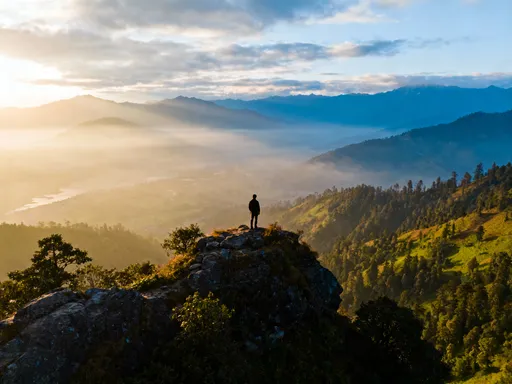
Rising abruptly from the flatlands of southern Kyrgyzstan, Sulaiman-Too Sacred Mountain is a UNESCO World Heritage Site and one of Osh’s most iconic landmarks. But beyond its status as a protected monument, it is a living spiritual space—deeply revered by locals and quietly powerful for those who climb its paths with respect. The mountain is believed to be over 25 million years old, and according to legend, it was visited by the prophet Solomon, who meditated in its caves and imparted wisdom to the people below. Whether or not one believes the tale, the atmosphere atop Sulaiman-Too carries a stillness that feels ancient and sacred.
Most visitors follow the main trail, which leads to the summit via stone steps and a series of marked shrines. Along the way, they pass prayer flags fluttering in the wind, small altars adorned with ribbons, and panoramic views of the Fergana Valley stretching into Uzbekistan. While this route is beautiful, the true essence of Sulaiman-Too reveals itself in its quieter, lesser-known paths. A narrow footpath to the east, barely visible from the main road, winds through a grove of wild pistachio trees and opens onto a secluded cave where elders come to pray and reflect. Another trail, accessible from the northern slope, leads to a natural stone arch known locally as the “Gate of Blessings,” where families gather during festivals to make quiet wishes.
These hidden corners offer more than solitude—they provide a chance to witness local spirituality in its most intimate form. Unlike formal religious sites, Sulaiman-Too is not governed by strict rituals or schedules. People come at dawn, at midday, or in the evening, lighting candles, tying prayer ribbons, or simply sitting in silence. Some believe the mountain has healing properties; others come to seek guidance or give thanks. Visitors are welcome, but the expectation is clear: come with reverence, not curiosity. Removing shoes before entering caves, speaking softly, and avoiding loud photography are small gestures that show respect for this sacred space.
For the best experience, arrive early in the morning or late in the afternoon, when the heat of the day has lifted and the light casts a golden glow over the rock formations. Weekdays tend to be quieter than weekends, when local families often make pilgrimages. Wear sturdy shoes, bring water, and consider hiring a local guide from one of the community-run tourism initiatives—many are knowledgeable about the mountain’s history, geology, and spiritual significance. By choosing to explore Sulaiman-Too beyond the main trail, travelers gain not just views, but a deeper understanding of how nature and belief intertwine in Kyrgyz culture.
Market Magic: Inside Osh’s Bazaar Culture
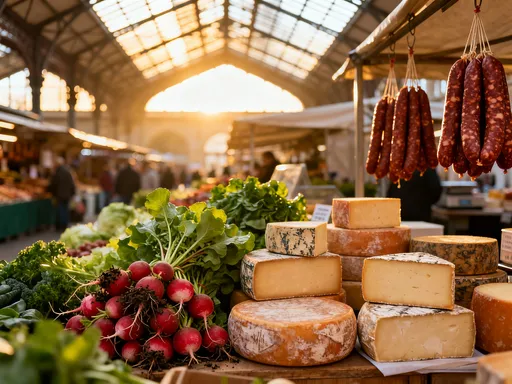
No visit to Osh is complete without a journey into the heart of its daily life—the Jayma Bazaar. One of the oldest and largest markets in Central Asia, Jayma is not a tourist attraction but a vital hub of commerce and community. Here, the city’s diversity is on full display: Kyrgyz farmers sell fresh dairy, Uzbek vendors arrange pyramids of spices, and Dungan shopkeepers offer handmade noodles and pickled vegetables. The market spans dozens of acres, with covered halls, open-air stalls, and narrow alleys that seem to stretch endlessly. To the uninitiated, it can feel overwhelming—but that is part of its charm.
Jayma is best explored thematically, allowing visitors to appreciate the richness of each section. The spice quarter, for instance, is a feast for the senses. Bright mounds of paprika, cumin, and turmeric fill burlap sacks, their scents mingling in the air. Vendors offer samples of saffron, sumac, and dried mint, explaining how each is used in traditional dishes. Nearby, the textile zone showcases handwoven fabrics, embroidered tablecloths, and felt carpets in bold geometric patterns. These are not souvenirs made for export; they are household items, crafted for use and imbued with cultural meaning.
The food section is perhaps the most vibrant. Stalls overflow with fresh fruits—apricots, plums, and melons in summer; apples and pomegranates in autumn. Butchers display cuts of lamb and horse meat, while bread sellers offer warm loaves of lepyoshka, stamped with intricate patterns. One of the most beloved spots is the dairy corner, where women in headscarves serve fermented mare’s milk (kumis), fresh qurut (dried cheese balls), and rich, creamy ayran. Locals sip from small bowls, chatting with vendors they’ve known for years.
To navigate Jayma like a local, come early—between 7 and 9 a.m.—when the market is at its liveliest. Bring small bills, as change can be hard to find. Smile, point, and use a few basic phrases in Kyrgyz or Uzbek (“Salam,” “Rahmat”) to build rapport. Bargaining is not expected in most sections, especially for food, but a polite haggle in the textile or craft areas is part of the culture. Above all, approach the market with curiosity and humility. This is not a stage; it is real life in motion. And in that authenticity lies its true magic.
Orchards and Outskirts: Nature’s Hidden Retreats
Just beyond the city’s edge, Osh transforms into a landscape of quiet orchards, ripening fruit trees, and meandering riverbanks. These green spaces, often overlooked by travelers, are where locals go to escape the summer heat, celebrate holidays, or simply enjoy a meal outdoors. The region’s fertile soil and favorable climate have made it a center for fruit cultivation for centuries—apricots, apples, pears, and walnuts thrive here, and many families maintain small plots passed down through generations.
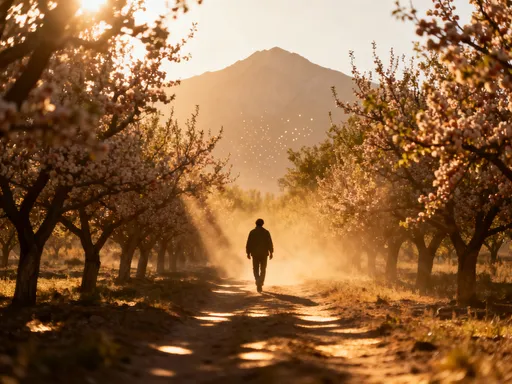
One of the most peaceful retreats is the orchard belt along the Ak-Buura River. Paths weave through dense groves, where dappled sunlight filters through leaves and the air carries the sweet scent of ripening fruit. In spring, the trees burst into bloom; in summer, families spread out blankets under the shade, sharing meals of plov and fresh bread. Children chase each other between rows, while elders sip tea and tell stories. These are not formal parks but informal gathering places, open to all and governed by an unspoken code of respect and quiet enjoyment.
For those seeking a more structured walk, a trail leading southeast from the city offers gentle elevation and panoramic views of the valley. It passes through abandoned walnut groves, where fallen nuts crunch underfoot, and crosses small irrigation channels fed by mountain snowmelt. Along the way, it’s not uncommon to meet a farmer tending his plot or a woman gathering herbs for tea. A few families have begun offering low-key agro-tourism experiences—simple lunches in their gardens, fruit-picking in season, or overnight stays in traditional guesthouses. These are not advertised online but discovered through word of mouth or local guides.
Visiting these outskirts requires no special equipment, just comfortable shoes and a willingness to wander. The best times are early morning or late afternoon, when the light is soft and the heat has faded. Spring and autumn offer the most pleasant temperatures, while summer can be hot—though the shade of the orchards provides relief. Winter brings quiet, with bare branches and frost-covered ground, but even then, the landscape holds a stark beauty. These natural retreats remind visitors that Osh is not just a city, but part of a living agricultural ecosystem—one that continues to nourish both body and spirit.
Threads of Tradition: Craft and Community Hubs
In a world of mass production, Osh preserves a different kind of value—one rooted in handmade skill, cultural memory, and communal effort. Across the city, small workshops and cultural centers keep traditional crafts alive, from felt-making to embroidery, woodcarving to rug-weaving. These are not performances for tourists but ongoing practices, often led by women who have learned their craft from mothers and grandmothers. To visit one is to step into a space where time slows, and every stitch carries meaning.
Felt, in particular, holds deep significance in Kyrgyz culture. Known as *kiyiz*, it is used to make yurt coverings, floor rugs, and decorative wall hangings. The process is labor-intensive: wool is cleaned, carded, layered, and then rolled and pounded until it binds into a dense, durable fabric. In a small studio near the southern edge of the city, a group of artisans demonstrates this technique daily, inviting visitors to try their hand at rolling the felt. The rhythm is meditative, the results imperfect but beautiful—each piece bearing the mark of human touch.
Another center focuses on *shyrdak* and *ala-kiyiz*, two forms of traditional felt art. *Shyrdak* involves cutting and appliquéing colored felt into intricate geometric patterns, often symbolizing elements of nature or spiritual protection. *Ala-kiyiz* uses a resist-dyeing method to create bold, marbled designs. Both are time-consuming, with a single rug taking weeks or even months to complete. The women who create them speak proudly of their work, not as art for sale, but as a continuation of identity.
Visitors are welcome to observe, ask questions, and even participate in short workshops. Purchasing a piece directly supports the artisans and helps sustain these traditions. But beyond the transaction, there is a deeper exchange—one of respect, curiosity, and shared humanity. These craft hubs are not museums but living spaces, where culture is not preserved behind glass but practiced daily. In a world that often values speed and convenience, they offer a quiet alternative: the beauty of patience, the dignity of skill, and the warmth of community.
Flavors in the Shadows: Offbeat Eateries and Street Bites
The true taste of Osh is found not in restaurants with menus in English, but in the unassuming corners where locals eat. Street carts, family-run canteens, and neighborhood cafes serve some of the most authentic Kyrgyz and Uyghur dishes—simple, hearty, and deeply flavorful. These are places where tradition is passed through recipes, not marketing.
One of the most beloved street foods is *samsa*—savory pastries filled with minced lamb, onions, and sometimes pumpkin, baked in a tandoor oven until golden and flaky. The best samsa carts are found near mosques and markets, where they open early in the morning and sell out by midday. The scent of baking dough and cumin draws people in, and the experience is always communal—eating standing up, wiping hands on napkins, sharing a thermos of green tea.
Another staple is *laghman*, a hand-pulled noodle dish of Uyghur origin, served in a rich broth with vegetables and meat. While some restaurants serve it, the most memorable versions come from small, family-run eateries tucked into residential neighborhoods. One such place, run by an elderly Uyghur woman, has no sign—just a blue door and a handwritten menu. Inside, the walls are lined with family photos, and the kitchen is visible through a serving window. The noodles are made fresh every morning, and the broth simmers for hours. It’s not fancy, but it’s unforgettable.
For dessert, few things compare to fresh *chuchuk*—a type of fried dough soaked in honey and sprinkled with sesame seeds. Sold by street vendors in the evening, it’s warm, sweet, and deeply satisfying. Pair it with a cup of *ayran*, a salty yogurt drink, and you have a perfect balance of flavors.
These offbeat eateries offer more than food—they offer connection. The owners remember regulars, ask after their families, and sometimes share stories. To eat here is to be treated not as a customer, but as a guest. And in that gesture lies the heart of Kyrgyz hospitality.
Traveling with Purpose: How to Explore Responsibly
Exploring Osh’s hidden corners comes with a responsibility—to respect the culture, support the community, and tread lightly on the land. This begins with how one travels. Public minibuses, known as *marshrutkas*, are the most common form of transport and offer a genuine glimpse into local life. They are inexpensive, frequent, and connect Osh to nearby villages and natural sites. For those uncomfortable with the chaos, hiring a local driver through a community-based tourism initiative ensures comfort while keeping income within the region.
Language is another key consideration. While Russian is widely spoken, learning a few phrases in Kyrgyz or Uzbek—such as “Salam” (hello), “Rahmat” (thank you), and “Kandaysyz?” (How are you?)—goes a long way in building rapport. Locals appreciate the effort, even if pronunciation is imperfect. A smile and a respectful demeanor often bridge any communication gap.
Cultural norms should be observed with care. Dress modestly, especially when visiting religious or rural areas. Ask permission before photographing people, and never intrude on private moments. When visiting homes or workshops, it is customary to bring a small gift—fruit, tea, or sweets—as a sign of goodwill.
Eco-conscious behavior is equally important. Carry a reusable water bottle, avoid single-use plastics, and dispose of waste properly. When walking in natural areas, stay on marked paths and avoid picking plants or disturbing wildlife. Support local businesses—buy from markets, eat at family-run cafes, and purchase crafts directly from artisans. These small choices have a cumulative impact, helping to sustain the very qualities that make Osh special.
Most importantly, travel slowly. Rushing through a city like Osh misses the point. It is not a checklist of sights but a tapestry of moments—shared tea, a child’s laugh, the pattern of light through leaves. By moving with intention and openness, travelers do more than see a place; they begin to understand it.
Osh reveals itself only to those who look beyond the obvious. By embracing its themed spaces—spiritual, culinary, natural, and artisanal—travelers gain not just memories, but meaning. This city doesn’t shout; it invites. And in that quiet, a deeper journey begins. It is a journey not of distance, but of connection—a reminder that the most profound experiences often lie not in the grand, but in the hidden, the humble, the human. In Osh, the world slows down, and in that stillness, one finds not just a destination, but a way of being.