You Gotta See How Galway’s Cityscape Steals Your Heart
Galway’s cityscape is a living postcard—cobbled streets, colorful storefronts, and the wild Atlantic breeze. I didn’t expect to fall this hard for a place that feels both ancient and alive. From the buzz of Shop Street to the quiet charm of the Latin Quarter, every corner tells a story. This isn’t just sightseeing; it’s feeling the pulse of Ireland’s cultural soul. Let me show you why Galway’s urban magic is unmissable.
First Impressions: The Soul of a Coastal City
Arriving in Galway feels less like checking into a destination and more like stepping into a rhythm already in motion. The first thing most visitors notice is the air—crisp, salt-kissed, and carrying the faintest hint of woodsmoke from cozy chimneys. As you walk from the bus station or park near the city center, the sound of laughter spills from pubs, buskers tune fiddles on street corners, and shopkeepers greet each other by name. There’s an intimacy here, a sense of belonging that doesn’t wait for you to catch up. It’s urban enough to have energy, yet small enough that you never feel lost in the crowd.
What sets Galway apart from other Irish cities is its seamless balance between authenticity and accessibility. Unlike places that feel preserved solely for tourists, Galway lives and breathes for its people. You’ll see schoolchildren in uniform walking home, older couples sipping tea in sidewalk cafes, and artists setting up easels near the Spanish Arch. The city doesn’t perform—it simply is. This genuineness is palpable, especially when you wander just a block off the main drag and find yourself in a quiet lane where washing hangs between stone houses and cats nap in sunlit doorways.
The coastal location amplifies this charm. Even when you’re deep in the city center, you’re never far from the water. The River Corrib cuts through the heart of Galway, and the bay lies just a short walk west. This proximity to the Atlantic gives the city a dynamic atmosphere—moods shift with the tides, skies change by the hour, and the wind carries stories from across the sea. It’s a place where nature and urban life aren’t at odds but in constant conversation.
Walking Through History: The Heartbeat of the Old Town
Galway’s old town is a living museum, not in the sense of being frozen in time, but because history here is worn like a well-loved coat—practical, comfortable, and full of character. The medieval street plan remains largely intact, with narrow lanes radiating from the original market squares. Walking through the Latin Quarter, you’re treading paths laid down centuries ago by merchants, monks, and seafarers. The stone buildings, some dating back to the 15th century, stand shoulder to shoulder with modern cafes, creating a layered effect where the past isn’t just remembered—it’s still in use.
At the center of this historic web lies Eyre Square, now officially known as John F. Kennedy Memorial Park. Once the site of public markets and civic gatherings, it has evolved into a green lung for the city—a place where office workers eat lunch, families gather on weekends, and visitors pause between explorations. The square’s transformation over the years reflects Galway’s ability to honor tradition while embracing change. Statues of historical figures stand beside modern art installations, and native trees shade benches where conversations in Irish and English drift on the breeze.
What makes Galway’s history so tangible is how it’s integrated into daily life. You don’t need to visit a museum to see the city’s story—you see it in the worn steps of St. Nicholas’ Collegiate Church, in the carved stone lintels above shop doors, and in the names of streets like Wine Lane and Fishamble Street, which hint at the trades that once thrived here. This isn’t heritage as spectacle; it’s heritage as context, giving depth to every interaction and every view.
Color on the Cobblestones: Galway’s Vibrant Street Culture
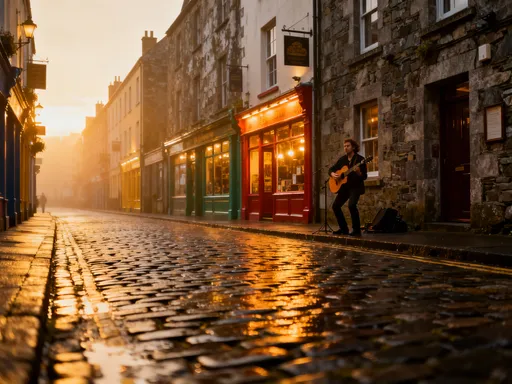
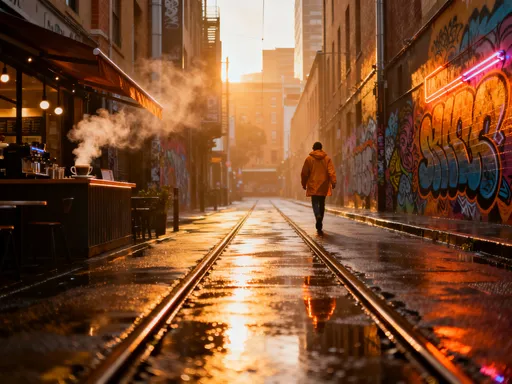
If Galway has a heartbeat, it pulses loudest on its streets. The city is a canvas, and its people are the artists. Shopfronts are painted in bold blues, deep reds, and buttercup yellows, each hue chosen with pride. Even in the rain, the colors don’t fade—they glisten, reflecting in the wet cobblestones like scattered jewels. Seasonal decorations add another layer: in winter, strings of lights crisscross the streets, and in summer, flower baskets overflow with petunias and geraniums. The visual language of Galway is one of joy, resilience, and creativity.
But the city’s vibrancy isn’t just in its paint and plants—it’s in its people. Street performers are a constant presence, especially along Shop Street and near the Spanish Arch. You might round a corner and find a trio playing traditional reels on fiddle, bodhrán, and tin whistle, their music rising above the chatter. Or you might stumble upon a solo singer with a powerful voice that stops passersby in their tracks. These aren’t staged shows; they’re spontaneous expressions of culture, often ending with warm applause and coins dropped into open instrument cases.
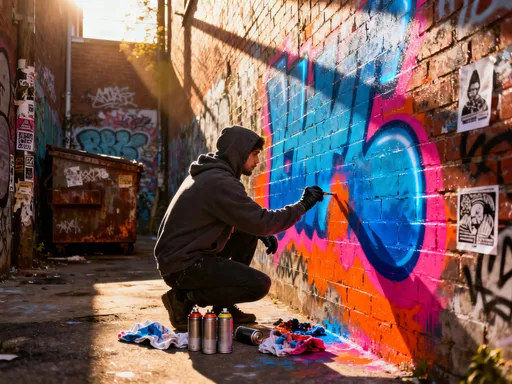
Local artists also claim public space with murals and installations. While Galway doesn’t have an official street art district, creativity finds its way onto walls, bridges, and even utility boxes. Some pieces celebrate Irish folklore, others reflect social themes, and a few are simply playful—like the painted piano that anyone can sit and play. This culture of public expression makes the city feel alive, inclusive, and ever-changing. It invites participation, not just observation, and reminds visitors that Galway’s soul is shaped by those who live here, not just those who pass through.
Waterfront Wonders: Salthill Promenade and the River Corrib
No exploration of Galway is complete without touching the water. The city’s relationship with the sea and river defines its character. Just a ten-minute bus ride or a pleasant 30-minute walk from the center lies Salthill, a seaside village absorbed into Galway’s urban fabric. The Salthill Promenade stretches along Galway Bay, offering one of the most beloved walks in Ireland. Locals call it 'the Prom,' and it’s where generations have strolled, jogged, and even braved the icy waters of the Atlantic in winter swims.
The contrast between the calm of the River Corrib and the drama of Galway Bay is striking. The Corrib, Ireland’s fastest-flowing river, moves quietly through the city, flanked by trees and footpaths. It’s a place for reflection, where you might see herons fishing at dawn or rowers cutting through the mist. A walk along its banks—especially from the Salmon Weir Bridge to the University of Galway—feels secluded, almost rural, despite being within the city limits. The river’s steady flow symbolizes continuity, a quiet force that has shaped Galway for centuries.
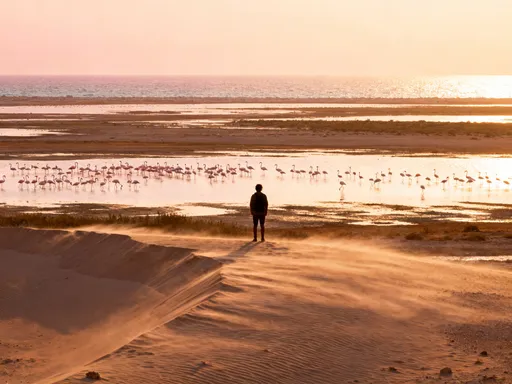
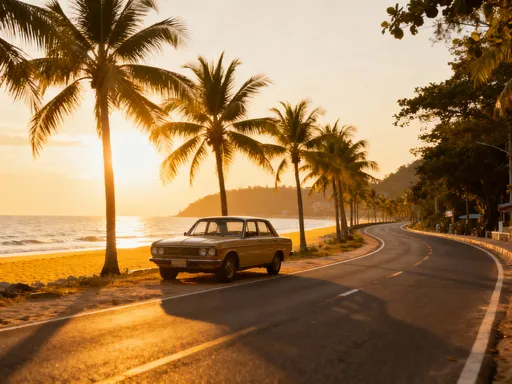
Galway Bay, on the other hand, is wild and changeable. At golden hour, when the sun dips toward the Aran Islands, the water turns to molten gold, and the sky blushes pink and orange. This is the perfect time to walk the Promenade, when the light is soft and the crowds have thinned. In the off-season, the experience is even more powerful—wind whips off the water, seagulls cry overhead, and the vastness of the Atlantic reminds you of nature’s scale. For those seeking tranquility, early morning or late autumn visits offer solitude and a deeper connection to the landscape.
Both waterfronts serve as vital spaces for wellness and community. The Promenade hosts fitness groups, dog walkers, and families flying kites. The Corrib supports angling, boating, and riverside dining. Together, they anchor Galway’s identity as a city that thrives on its natural surroundings, not in spite of them.
Urban Green Spaces: Where Nature Meets the City
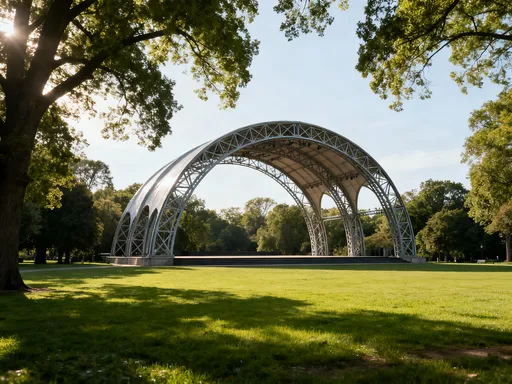
Galway’s green spaces are more than decorative—they’re essential to the city’s rhythm. Among the most cherished is Newcastle Park, a sprawling riverside retreat that feels worlds away from urban life, even though it’s just minutes from the center. With mature trees, winding paths, and open lawns, it’s a favorite for picnics, dog walking, and quiet contemplation. In spring, daffodils carpet the ground; in autumn, the maples turn fiery red. The park’s proximity to the Corrib enhances its appeal, offering views of the water and the occasional kingfisher darting between branches.
But Newcastle isn’t the only green haven. Smaller spaces like St. Francis Abbey Garden and the grounds around the Cathedral of Our Lady Assumed into Heaven provide pockets of calm in the urban flow. These areas are designed for pause—benches face flower beds, trees offer shade, and the sound of traffic fades. They’re used by office workers on breaks, parents with strollers, and seniors enjoying a slow afternoon walk. Their accessibility ensures that nature is never far from reach, no matter where you are in the city.
What makes Galway’s parks special is their integration into daily life. They’re not manicured showpieces but lived-in spaces, shaped by use and weather. Grass is worn in high-traffic areas, bark chips line paths, and community gardens sprout in corners. Seasonal changes are embraced—floods in winter, blossoms in spring, golden light in fall. This authenticity reflects Galway’s broader ethos: nature isn’t something to be controlled but welcomed, even when it’s messy or unpredictable.
For visitors, these green spaces offer a chance to slow down and breathe. A morning walk in Newcastle Park, coffee in hand, with the river murmuring nearby, can reset your entire day. They remind us that a city’s beauty isn’t just in its buildings or streets, but in the balance it strikes between built and natural environments.
Design with a Difference: Local Architecture That Tells Stories
Galway’s architecture is a conversation across centuries. Georgian elegance, Victorian craftsmanship, and contemporary design coexist in a way that feels organic rather than forced. In the city center, you’ll find rows of 18th-century townhouses with symmetrical facades and black-painted doors—remnants of a time when Galway was a rising port city. These buildings, often repurposed as shops, cafes, or apartments, retain their original charm through restored windows, iron railings, and period details.
Victorian influences appear in the ornate brickwork of older commercial buildings and the steep gables of some churches. These structures speak to a time of expansion and confidence, when Galway was growing in both size and ambition. Even now, the craftsmanship is evident—in carved stone details, stained glass, and the way light filters through high ceilings in converted spaces.
Modern architecture doesn’t shout here; it listens. Newer buildings often take cues from their surroundings, using local stone, sloping roofs, and human-scale designs that respect the city’s scale. The Galway City Museum, located near the Spanish Arch, is a fine example—its clean lines and glass facades reflect the water while blending with the historic context. This sensitivity ensures that growth doesn’t erase identity.
What’s most striking is how architecture in Galway tells stories of resilience. Many buildings bear the marks of time—weathered stone, mismatched repairs, plaques noting reconstruction after fires or floods. These imperfections aren’t hidden; they’re part of the narrative. They speak of a city that has endured storms, economic shifts, and change, yet continues to adapt without losing its soul. In this way, every wall, every doorway, becomes a page in Galway’s ongoing story.
Why This Cityscape Stays With You
Long after you’ve left Galway, its cityscape lingers. It’s not just the postcard views or the lively streets—it’s the feeling of being part of something real. In a world where many destinations feel curated for cameras, Galway stands apart because it refuses to perform. It invites you in, not as a spectator, but as a witness to daily life. The laughter in the pubs, the music on the streets, the quiet moments by the river—they’re not for show. They’re the rhythm of a place that values connection, creativity, and continuity.
What makes Galway unforgettable is the harmony between its physical beauty and its human spirit. The colorful buildings, the historic lanes, the wild coastline—they’re not just sights to check off a list. They’re expressions of a culture that cherishes its roots while embracing the present. You feel this in the way locals greet strangers, in the pride they take in their city, and in the ease with which tradition and modernity coexist.
There’s a quiet magic in walking through a city that feels alive on its own terms. Galway doesn’t need to impress you—it simply asks you to pay attention. To notice the way light hits a stone wall in the late afternoon, to listen to a snatch of Irish spoken in a doorway, to pause and watch the tide roll in at Salthill. These moments accumulate, not as memories of a place, but as feelings of belonging.
So if you’re looking for a destination that offers more than sights—if you want a city that stays with you, not because it’s perfect, but because it’s true—then Galway is waiting. Come not just to see it, but to feel it. Walk its streets, sit by its waters, let its colors and sounds wash over you. Because once you’ve felt the pulse of Galway, you’ll understand why it steals hearts so easily.