How I Got Back to Running After Injury – What Actually Worked
Running is freedom—until an injury steals it. I’ve been there, stuck on the sidelines, frustrated and unsure how to heal the right way. Too many runners push through pain, only to make things worse. What if recovery wasn’t about waiting, but moving smarter? This is the story of how I rebuilt my running fitness step by step, using methods that are effective, safe, and grounded in real progress—not hype. It wasn’t fast, and it wasn’t easy, but it was worth every careful step. Recovery, I learned, isn’t the opposite of running. It’s part of it.
The Breaking Point: When Running Became Pain
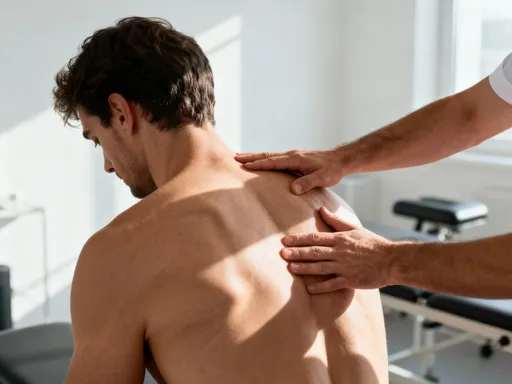
It started with a dull ache behind my knee, something I brushed off as tightness from a hard week of training. I had a half marathon coming up, and stopping felt like surrender. So I kept running, adjusting my stride slightly, icing after each run, popping ibuprofen like it was prevention. But the pain didn’t fade—it grew sharper, more insistent. Within three weeks, I couldn’t jog a block without limping. That’s when I finally saw a physical therapist. The diagnosis: proximal hamstring tendinopathy, aggravated by overuse and poor load management. In simpler terms, I’d asked my body to do too much for too long without giving it the support it needed.
The emotional toll was just as heavy as the physical one. Running wasn’t just exercise for me—it was my stress relief, my time to think, my daily ritual. Without it, I felt restless, irritable, disconnected. I missed the rhythm of my feet on pavement, the quiet clarity that came with each mile. I tried to distract myself, but the frustration built. I felt broken, like my body had betrayed me. What made it worse was realizing I wasn’t alone. So many runners ignore early warning signs, treating discomfort as a badge of honor rather than a signal. We glorify pushing through, but that mindset often leads to longer downtime and deeper setbacks.
One of the biggest mistakes I made—and see others make—is treating injury recovery as passive. The old model says: rest until it feels better, then slowly start again. But that approach often fails because it doesn’t address the underlying weaknesses or movement patterns that led to the injury in the first place. Rest might calm inflammation, but it doesn’t rebuild strength, coordination, or resilience. I learned that true recovery isn’t about doing nothing. It’s about doing something different—something smarter. The moment I shifted from waiting to actively rehabbing, everything began to change.
Rehab Redefined: It’s Not Just Rest, It’s Retraining
My physical therapist helped me see recovery in a new light—not as a break from training, but as a different kind of training. Healing tissues need time, yes, but they also need stimulation. The body adapts to stress, and when that stress is removed completely, we lose fitness, strength, and neuromuscular control. Instead of complete rest, I began what’s known as active rehabilitation: gentle, targeted movement designed to support healing without aggravating the injury. This wasn’t about intensity. It was about intention.
Science shows that tendons, muscles, and ligaments respond best to controlled loading during recovery. When tissue is injured, the body lays down new collagen fibers to repair the damage. But those fibers need to be aligned and strengthened through movement, or they form in a disorganized way—like a scar that’s weak and prone to re-tear. This is where active rehab shines. By applying the right amount of stress at the right time, we guide the healing process toward a stronger, more resilient outcome. It’s not about rushing back. It’s about rebuilding properly from the ground up.
Another key piece was neuromuscular reactivation. After weeks of limping or avoiding certain movements, the brain-body connection to key muscles—like the glutes or deep hip stabilizers—can weaken. You might think you’re engaging those muscles, but the signal isn’t firing efficiently. That’s why so many runners reinjure the same area: they return to running with movement imbalances still in place. My rehab included simple activation drills—like bridging and clamshells—that reminded my nervous system how to recruit the right muscles at the right time. Movement, in this context, became medicine. But only when applied with precision and awareness.
The First Steps: What I Did in Week One
The first week of rehab was humbling. After months of running 20-plus miles a week, my “workout” consisted of walking for 10 minutes, doing two minutes of foam rolling, and performing gentle ankle circles and heel slides. It felt laughably easy. But I reminded myself: this wasn’t about effort. It was about consistency and communication. My goal was to send a safe signal to my body that movement was welcome again—without triggering pain.
I followed the “pain monitor” rule: any activity that increased pain during or after—especially pain that lasted more than a few hours—was too much. I learned to distinguish between discomfort (a mild sensation of stretching or fatigue) and pain (sharp, localized, or increasing). If I crossed that line, I scaled back. This wasn’t failure. It was feedback. I used a simple 0–10 scale, where 0 was no sensation and 10 was unbearable. Anything above a 2 during exercise was a red flag. This approach kept me honest and prevented setbacks.
Walking became my foundation. I started with short, flat walks—10 minutes, twice a day—focusing on a natural stride and upright posture. I avoided hills and uneven surfaces. Over time, I increased duration, not speed. Foam rolling targeted my hamstrings, quads, and calves, not to “break up knots,” but to improve blood flow and tissue mobility. Gentle mobility drills—like lying knee hugs and seated forward folds—helped restore range of motion without strain. What surprised me was how much these small efforts added up. Within a week, my morning stiffness decreased, and I felt more connected to my body. Consistency, not intensity, was the real engine of early recovery.
Building Back Strength: The Exercises That Made a Difference
Once pain was under control, we shifted to building strength—starting with stability. The exercises weren’t flashy, but they were foundational. Single-leg balance stood out early. Standing on one leg for 30 seconds seems simple, but it challenges the entire kinetic chain: ankle, knee, hip, and core. I started holding onto a counter, then progressed to arms-free, then eyes closed. This wasn’t just about balance. It was about teaching my body to stabilize under load, a skill essential for running.
Glute bridges were another cornerstone. Lying on my back with knees bent, I lifted my hips while squeezing my glutes at the top. This activated the posterior chain—the muscles that support the pelvis and reduce strain on the hamstrings. I started with two sets of 10, focusing on slow, controlled movement. As strength improved, I added resistance bands and progressed to single-leg bridges. These weren’t just strengthening exercises. They were re-education—reminding my body how to use the right muscles in the right sequence.
Calf control drills also played a crucial role. I did slow heel raises, both double- and single-leg, emphasizing the lowering phase (eccentric contraction), which is especially important for tendon health. I also incorporated step-offs, where I lowered one heel below step level, then used both feet to rise. These drills improved my lower leg resilience and reduced the risk of Achilles or calf strain down the line. What tied all these exercises together was progression: doing a little more each week, but only when my body signaled readiness. Strength wasn’t built in a day. It was earned through patience and precision.
Returning to Running: The 10-Day Test That Changed Everything
After six weeks of consistent rehab, I was cleared to begin a walk-run program. My therapist gave me a 10-day protocol: two minutes of walking followed by one minute of running, repeated five times. That’s just five minutes of running total. It felt painfully minimal, but I followed it exactly. The goal wasn’t fitness. It was tolerance. Each day, I repeated the same routine, watching for any signs of flare-up.
What made this protocol work was the tracking system. I didn’t just go by how I felt in the moment. I monitored three key markers: stride smoothness, morning stiffness, and mood. If my running form felt jerky or uneven, that was a warning. If I woke up with increased tightness or discomfort, that was a sign to pause. Even mood mattered—unexplained irritability or fatigue could indicate my body was under too much stress. These markers gave me objective feedback, not just emotional guesswork.
I followed the 10-day test without increasing volume. Only when all three markers stayed stable did I begin to extend the run intervals—first to two minutes, then three. I resisted the urge to add distance or speed. I focused on quality: relaxed shoulders, soft foot strike, steady breathing. It took nearly six weeks to return to continuous 20-minute runs. But because I respected the process, I avoided setbacks. Patience wasn’t optional. It was the foundation of a sustainable comeback.
Beyond the Comeback: How Rehab Made Me a Stronger Runner
The most surprising part of recovery was realizing I came back better than before. My running form improved—less overstriding, more midfoot landing, better pelvic alignment. I wasn’t just healing an injury. I was upgrading my movement patterns. I had fewer aches, more energy, and greater endurance. I ran my first post-injury 10K slower than usual, but I felt stronger throughout. The race wasn’t about time. It was about resilience.
Rehab also gave me lasting habits. I now do a five-minute warm-up before every run: dynamic stretches, glute activation, and mobility drills. I schedule regular recovery days, not just when I’m tired, but as part of my plan. I listen to my body with more respect—slowing down at the first sign of tightness, not the last. These aren’t restrictions. They’re investments in longevity. I’ve also learned to celebrate non-mileage wins: a pain-free morning, a smooth stride, a strong bridge hold. Progress isn’t always measured in speed or distance.
Perhaps the biggest shift was psychological. I no longer see rehab as a punishment or a sign of failure. It’s a form of training—one that builds strength, awareness, and resilience. My relationship with running has deepened. I appreciate it more. I protect it better. I’m no longer chasing performance at all costs. I’m running to feel good, to stay healthy, to enjoy the journey. That mindset has made me not just a stronger runner, but a wiser one.
What You Should Know Before Starting Your Own Recovery
If you’re recovering from a running injury, the most important step is seeking professional guidance. A physical therapist can assess your movement patterns, identify weaknesses, and create a personalized rehab plan. Don’t rely on generic online workouts or advice from well-meaning friends. Every injury is different, and so is every body. An expert can help you avoid common pitfalls and ensure you’re progressing safely.
Pay attention to warning signs. Sharp pain, swelling, or increased stiffness after activity are clear signals to stop and reassess. So is pain that lingers into the next day. These aren’t challenges to push through. They’re your body’s way of saying it needs more time or a different approach. Other red flags include changes in gait—like limping or favoring one side—or persistent fatigue. If in doubt, pause and consult your therapist.
Finally, remember that recovery isn’t failure. It’s part of being an athlete, a runner, a human being. Injuries happen. What matters is how you respond. With patience, purpose, and the right support, you can come back stronger. This journey isn’t about bouncing back. It’s about building forward. You’re not losing time. You’re investing in a healthier, more sustainable running future. Trust the process. Your comeback is already in motion.
Conclusion
Healing isn’t a detour—it’s part of the run. By embracing rehab as training, not punishment, I didn’t just return to running; I returned smarter. This isn’t a miracle fix, but a proven path: patient, purposeful, and powerful. I learned that strength isn’t just in the legs, but in the mindset. Resilience isn’t avoiding injury, but navigating it with care and courage. If you’re hurt, don’t just wait—move with intention. Start where you are. Use what you have. Do what you can. Your body is capable of remarkable recovery. Your comeback starts now.